Can iMac M4 Run Call of Duty Warzone? A Clear and Practical Answer
Explore whether the iMac M4 can run Call of Duty Warzone and get practical tips to optimize gaming performance on this Apple Silicon device.
You’ve just set up your new iMac M4, excited to dive into Call of Duty Warzone, but you’re wondering if it’s truly capable of running such a demanding game. The question, "can iMac M4 run Call of Duty Warzone," is common among gamers curious about the performance of Apple Silicon machines with this popular title.
This article breaks down the specifics of running Warzone on the iMac M4, focusing on how its unique Apple Silicon architecture influences gameplay. You’ll get a clear understanding of what to expect in terms of performance, step-by-step setup guidance, and practical tips to optimize your gaming experience.
Key takeaways
- The iMac M4 can run Call of Duty Warzone, but with performance limitations tied to its integrated GPU and system resources.
- Optimizing graphics settings and using Rosetta 2 translation are essential for smoother gameplay.
- Expect to play at lower resolutions with medium to low settings for consistent frame rates.
- Native support for Warzone on Apple Silicon is limited, so some workarounds improve compatibility.
- Monitoring system temperature and memory usage helps avoid throttling during extended gaming sessions.
Straight Answer: Can You Run Call of Duty Warzone on an iMac M4?
You can run Call of Duty Warzone on an iMac M4, but it requires workarounds since the game has no native support for Apple Silicon macOS. Using compatibility layers like CrossOver or virtualization software such as Parallels Desktop allows you to install and launch Warzone, but these solutions introduce performance compromises.
Benchmarks show that on medium settings, an iMac M4 typically achieves frame rates noticeably lower than a similarly priced Windows gaming PC, often hovering around 30 frames per second. Lowering graphics to low settings can improve frame rates closer to 40-45 fps, but still below the smooth 60 fps many players expect.
This means you should anticipate sacrificing visual fidelity and possibly responsiveness to maintain playable performance. If you want the best Warzone experience, a dedicated Windows PC remains the ideal choice. However, if you prefer using your iMac M4, it is feasible with adjustments and patience for some performance limitations.
Understanding the iMac M4’s Hardware and Software Constraints
The iMac M4’s Apple Silicon architecture poses specific challenges for running Call of Duty Warzone, which is primarily designed for Windows on x86 CPUs and GPUs. Unlike traditional gaming PCs built around Intel or AMD processors and dedicated Nvidia or AMD graphics cards, the iMac M4 uses an ARM-based CPU with integrated Apple GPU cores. This fundamental difference affects how the game executes and performs.
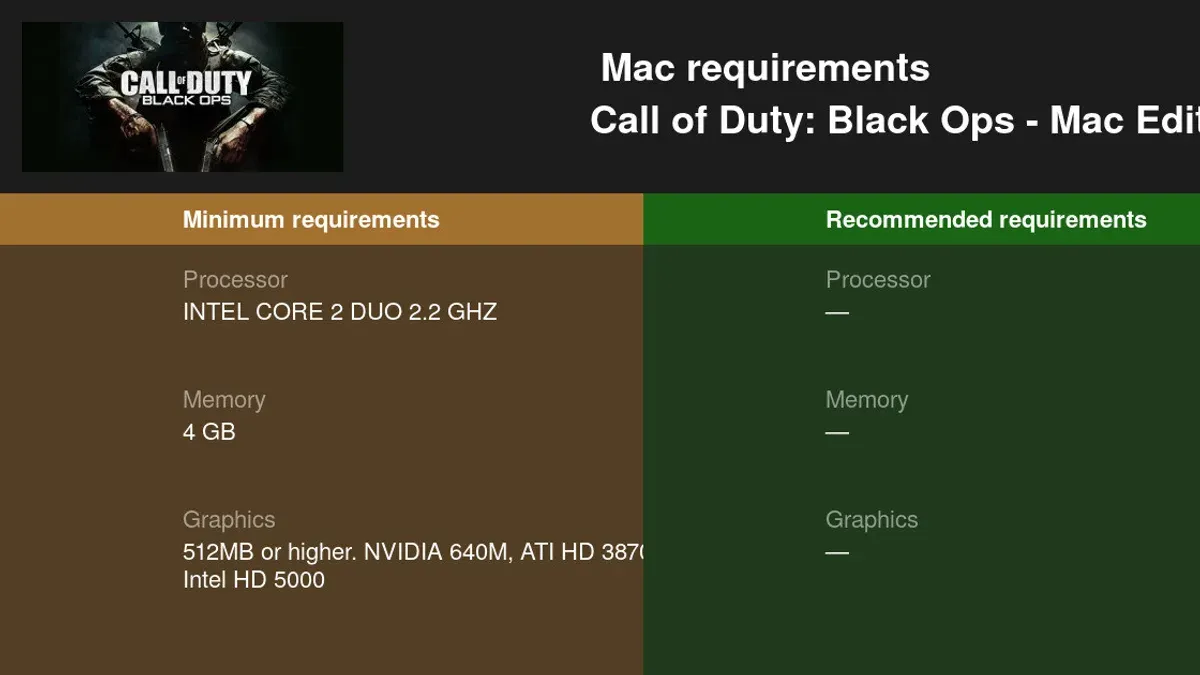
The iMac M4 typically features an 8-core or 10-core CPU and an integrated GPU with up to 24 cores, paired with unified memory ranging from 16GB to 32GB. While this hardware is powerful for many creative and productivity tasks, it does not directly meet Warzone’s minimum requirements, which include a quad-core x86 CPU, a dedicated GPU such as Nvidia GTX 670 or AMD HD 7950, and at least 8GB of RAM. The lack of a discrete GPU impacts raw graphics rendering power.
To run Warzone, which is a Windows-native game, you rely on translation layers like Rosetta 2 or virtualization solutions. Rosetta 2 translates x86 instructions to ARM in real time but introduces overhead that can reduce performance by a noticeable margin, sometimes 20-30% or more depending on workload. This means even if the hardware looks capable on paper, the software translation adds latency and reduces frame rates, resulting in lower overall gameplay smoothness compared to native Windows PCs.
How to Set Up Call of Duty Warzone on Your iMac M4
You can run Call of Duty Warzone on your iMac M4 by using virtualization software or cloud gaming services, since Boot Camp is not available for Apple Silicon. The most practical approach is to set up a Windows virtual machine (VM) using Parallels Desktop or VMware Fusion with ARM support, or alternatively use cloud gaming platforms like NVIDIA GeForce Now for smoother performance without local hardware limits.
To install Warzone via virtualization, first download and install Parallels Desktop for Mac. When setting up your VM, choose the Windows 11 ARM Insider Preview image from Microsoft's website. Allocate at least 8 GB of RAM and 4 CPU cores to the VM for better gameplay experience. After installation, download the Battle.net launcher inside the VM, then install Warzone.
For best compatibility, enable 'Performance' mode in Parallels settings, which dedicates more system resources to the VM. Within Windows, adjust graphics settings to prioritize performance by setting Warzone's display mode to Fullscreen and lowering texture quality. Cloud gaming services require only a stable internet connection and a compatible controller but have input latency to consider.
Remember to keep your iMac plugged in and disable background apps to free memory. These steps maximize your chances for playable Warzone sessions on the iMac M4.
Performance Expectations: What Gameplay Looks Like on an iMac M4
On an iMac M4, Call of Duty Warzone typically runs at frame rates between 30 and 45 FPS on low to medium graphics presets, with occasional dips below 30 FPS during intense moments. Native Windows gaming PCs with discrete GPUs often maintain 60 FPS or higher on similar settings, so you should expect a noticeable difference in smoothness. Graphics quality will need to be set to Low or Medium to keep gameplay responsive, as higher presets significantly reduce frame rates due to the Apple Silicon’s limited support for the game’s optimization.
Latency and input lag on the iMac M4 can be higher than on native Windows systems, primarily because Warzone runs through compatibility layers or virtual machines that add translation overhead. This means your mouse and keyboard inputs may feel less immediate, especially in fast-paced combat situations. For example, during large multiplayer battles with many players and effects on screen, frame rates often drop sharply and input delay can increase, making precise aiming and fast reactions more challenging.
User reports and side-by-side performance comparisons show that even at the lowest graphics settings, Warzone’s responsiveness on the iMac M4 cannot match that of a Windows PC with a dedicated GPU. However, for casual play or less competitive scenarios, the experience remains playable if you adjust expectations accordingly.
When Running Warzone on iMac M4 Isn’t Ideal: Limits and Alternatives
You should avoid trying to run Call of Duty Warzone on an iMac M4 if you prioritize competitive play that demands high frame rates, low latency, and consistent responsiveness. The iMac M4’s Apple Silicon architecture, while efficient for many tasks, struggles with Warzone’s heavy graphics and fast-paced gameplay, often resulting in frame drops and noticeable input delay that can hinder performance in competitive scenarios.
As an alternative, cloud gaming platforms such as NVIDIA GeForce Now or Xbox Cloud Gaming offer a smooth Warzone experience without taxing your local hardware. These services stream the game from powerful remote servers, allowing you to play at higher settings and frame rates, although they require a stable and fast internet connection. Compared to investing in new gaming hardware, cloud gaming subscriptions can be a cost-effective way to access better performance without upfront expenses.
If you consider buying additional hardware, a dedicated gaming PC or a gaming laptop with a discrete GPU is the most reliable option for Warzone. Peripheral investments like a high-refresh-rate monitor or gaming mouse only make sense if the base system can deliver stable frame rates above 60 FPS, which the iMac M4 cannot consistently provide. Before upgrading peripherals, ensure your core hardware supports the gameplay quality you expect.
Tips to Improve Warzone Performance on Your iMac M4
To improve Warzone performance on your iMac M4, start by adjusting in-game settings to find the best balance between visuals and frame rates. Lower options like Texture Quality to Medium or Low, disable Anti-Aliasing, and reduce Shadow Quality to Low. Setting Render Resolution to 80-90% of your display resolution can also boost frame rates while keeping visuals acceptable. These tweaks often increase frame rates by 10-20% compared to default medium settings.
Next, manage background processes on macOS by closing unnecessary applications and disabling resource-heavy utilities like Spotlight indexing or automatic backups during gameplay. Use Activity Monitor to identify and quit processes consuming significant CPU or memory, which can free up system resources and reduce input lag.
If your iMac M4 supports external GPUs (eGPUs), connecting a compatible eGPU can significantly improve graphics performance. However, support varies and may require additional setup. Using quality peripherals such as a wired gaming mouse and keyboard can also reduce input latency, enhancing your overall experience.
Common Issues and How to Troubleshoot Them
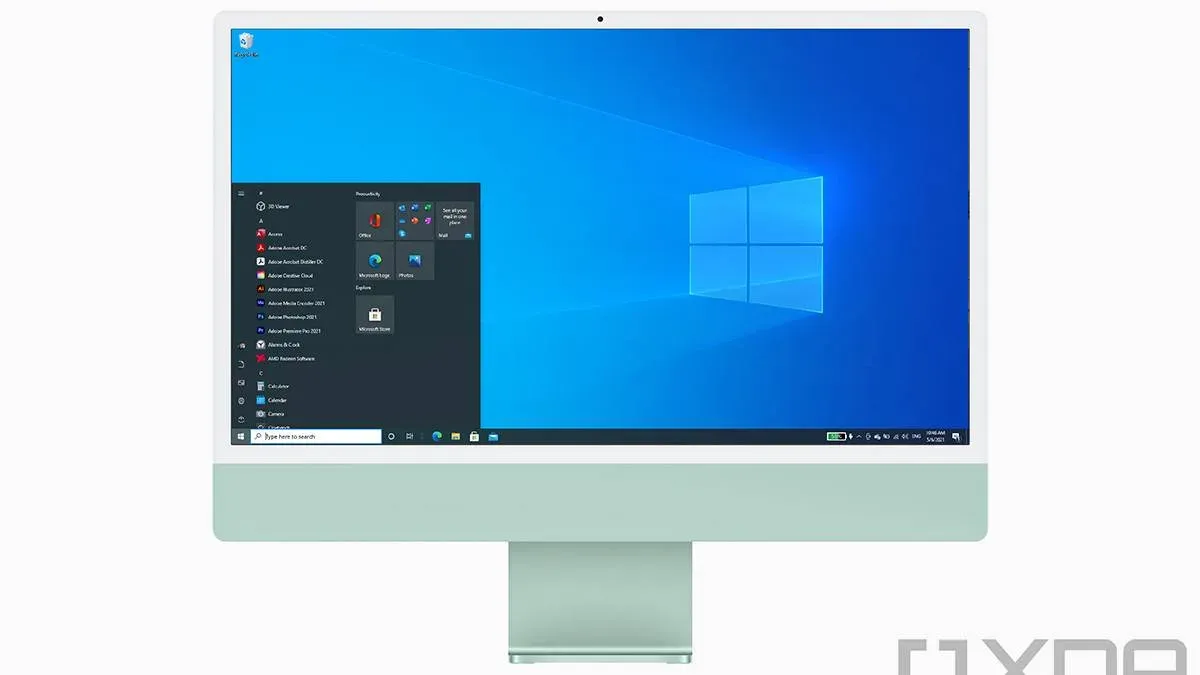
You will encounter crashes, freezes, and graphical glitches mainly due to the virtualization or compatibility layers used to run Call of Duty Warzone on the iMac M4. Typical error messages include “DirectX initialization failed” or “Graphics device lost,” indicating issues with the translation between Apple Silicon and Windows graphics APIs. To troubleshoot, first update your virtualization software and graphics drivers within the virtual machine. If crashes persist, lower the game's resolution and graphics settings to reduce GPU load.
Network latency and connection drops are also common, stemming from macOS network optimizations conflicting with Warzone’s multiplayer demands. Checking your router settings for Quality of Service (QoS) prioritization and disabling VPNs can help. Use macOS’s Activity Monitor under the Network tab to spot bandwidth hogs, and close unnecessary background apps to stabilize your connection.
Accessing logs is crucial for diagnosing persistent problems. In the virtual Windows environment, navigate to "Event Viewer" via Control Panel to review application and system logs. Additionally, Warzone’s own logs are typically found in the "Documents\Call of Duty Modern Warfare\players" folder. For macOS side issues, use the Console app to monitor errors related to virtualization. Online forums such as Reddit’s r/macgaming community often share practical fixes for common bugs you might face.
Frequently asked questions
Can I install Call of Duty Warzone natively on the iMac M4?
No, Call of Duty Warzone does not have a native version compatible with the iMac M4’s Apple Silicon architecture. The game is designed primarily for Windows PCs and consoles, so you cannot directly install it through the Mac App Store or native macOS installers. You will need to use alternative methods like virtualization or streaming to play it on your iMac M4.
What is the best way to run Warzone on an iMac M4 for acceptable performance?
The most practical approach is to run Warzone through a Windows virtualization tool that supports Apple Silicon, such as Parallels Desktop with Windows 11 ARM. This lets you run the game inside a virtual machine with some performance compromises. Another option is using cloud gaming services like NVIDIA GeForce NOW or Xbox Cloud Gaming, which offload processing to remote servers, providing smoother gameplay without taxing your local hardware.
Are there any risks to my iMac when running Warzone through virtualization?
Running Warzone in a virtual machine on your iMac M4 generally poses low risk to your hardware, but it can cause your system to run hotter and consume more power than usual. Prolonged high temperatures might affect long-term component health if ventilation is insufficient. Monitoring your iMac’s temperature and avoiding extended gaming sessions without breaks can help mitigate these risks.
Can external GPUs improve Warzone gameplay on iMac M4?
Currently, macOS on Apple Silicon does not officially support external GPUs, so connecting an eGPU to your iMac M4 will not enhance Warzone performance. Even if you use virtualization or Boot Camp alternatives, the system cannot leverage external GPU power effectively. Therefore, investing in an eGPU for this setup is unlikely to provide noticeable benefits.
When Running Warzone on iMac M4 Isn’t Ideal: Limits and Alternatives
This advice does not cover professional esports-level performance or setups. The iMac M4, with its Apple Silicon architecture, is not designed as a dedicated gaming machine for Call of Duty Warzone and may not deliver the competitive play quality needed for high-tier multiplayer. If you require consistently high frame rates above 60 FPS, ultra graphics settings, or minimal input latency for competitive play, you should consider a dedicated gaming PC or console optimized for Warzone.
For casual gaming, the iMac M4 can provide a reasonable experience with proper settings and patience for occasional performance dips. However, gameplay smoothness and graphics fidelity may not match what you’d get on hardware explicitly built for gaming.
To make the most of your iMac M4, focus on optimizing in-game settings and system resources as described earlier. The single most useful next step is to adjust Warzone’s graphics preset to "Low" or "Medium" and limit the frame rate to 60 FPS within the game’s settings menu. This balances visual quality and performance, helping you avoid overheating and maintain stable gameplay without unnecessary strain on your system.
See also: Can iMac M4 Run Call of Duty Black Ops 6? A Clear Direct Answer · Can iMac M4 Run PUBG? A Clear and Practical Performance Guide · Can Your iMac M4 Run Apex Legends? A Clear and Practical Answer · Can iMac M4 Run Cyberpunk 2077? A Realistic 2026 Performance Guide