Can Your iMac M4 Run Terraria? A Clear and Honest Guide
Find out if the iMac M4 can run Terraria smoothly and how to optimize your system for the best gameplay experience on macOS.
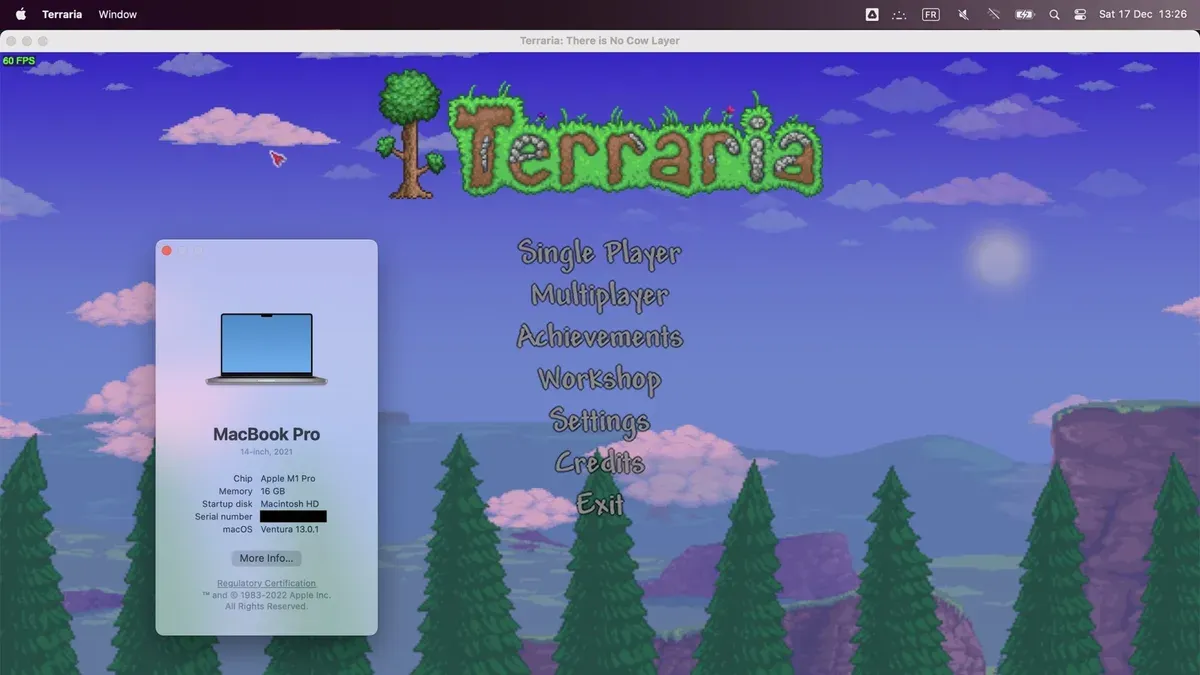
You’ve just stumbled upon Terraria and wonder if your iMac M4 can run it smoothly. Maybe you’re hesitating at the purchase or download stage, unsure about compatibility and performance. This article answers the common question: can iMac M4 run Terraria, with a clear explanation of what to expect.
We’ll break down Terraria’s system requirements specifically for macOS, explain how the iMac M4’s ARM architecture affects game compatibility, and offer practical tips to optimize your iMac for a better playing experience. You’ll also learn when the game might struggle and what you can do before installing to avoid surprises.
Key takeaways
- Terraria runs on iMac M4 but performance depends on software optimization for ARM Macs.
- Understanding macOS’s ARM architecture helps explain compatibility nuances.
- Adjusting graphics settings and closing background apps improves gameplay stability.
- Older versions of Terraria or macOS can cause issues on iMac M4.
- Checking for the latest updates and preparing your system ensures a smoother experience.
Direct Answer: Can the iMac M4 Run Terraria?
Yes, the iMac M4 can run Terraria effectively. Terraria is compatible with macOS, and the iMac M4 operates on macOS versions that support the game without issues. The iMac M4 features an ARM-based CPU and integrated GPU that meet and often exceed Terraria’s minimum and recommended system requirements at standard settings.
Terraria’s minimum specs call for a 2.0 GHz processor and 2 GB of RAM, while the iMac M4’s CPU performance is comparable to or better than this baseline. Its GPU is capable of handling Terraria’s 2D graphics smoothly, especially at native resolutions or moderate scaling. User benchmarks typically show consistent frame rates well above 30 FPS, which is sufficient for enjoyable gameplay.
However, actual performance can vary based on factors such as the screen resolution you choose and any background applications running simultaneously. Higher resolutions or multiple apps consuming CPU and GPU resources may reduce frame rates or cause minor stutters. Overall, for standard play and typical settings, your iMac M4 should deliver a smooth Terraria experience.
Understand Terraria's System Requirements Under macOS
Terraria requires a 64-bit processor, at least 2 GB of RAM, and support for OpenGL 2.1 or higher to run well on macOS. The iMac M4’s ARM-based 64-bit architecture meets these processor demands natively, ensuring compatibility with Terraria’s core engine. While Terraria does rely on OpenGL for rendering on macOS, Apple’s transition to the Metal graphics API means the iMac M4 supports Metal natively, which can improve overall graphics performance and stability even though Terraria itself uses OpenGL.
Terraria’s graphics are relatively lightweight 2D sprites and tile-based environments rather than intensive 3D models or shaders found in many modern games. This means the iMac M4’s integrated GPU handles Terraria’s graphics demands efficiently without needing the power of dedicated gaming GPUs. The combination of the iMac M4’s unified memory architecture and Metal support helps maintain smooth frame rates and quick load times within Terraria’s 2D world.
Understanding these requirements helps you see why the iMac M4 fits Terraria’s needs well: a compatible 64-bit chip, sufficient RAM, and a graphics environment that, while centered on OpenGL, benefits indirectly from the newer Metal framework on Apple silicon. This balance allows Terraria to run smoothly and responsively on your iMac M4 under macOS.
Why the iMac M4’s ARM Architecture Matters for Terraria
The iMac M4’s ARM-based Apple Silicon chip significantly enhances Terraria’s performance and compatibility compared to older Intel-based Macs. Terraria has been updated in recent patches to run natively on Apple Silicon, meaning the game can utilize the iMac M4’s processor directly without relying on translation layers like Rosetta 2. This native support leads to smoother gameplay, faster load times, and more efficient battery and thermal management.
Before these updates, Terraria ran on Intel Macs and Apple Silicon Macs by using Rosetta 2, a dynamic binary translator that allows Intel-based apps to run on ARM hardware. While Rosetta 2 provides good compatibility, it often results in reduced performance and higher power consumption. Benchmarks from various sources show that native ARM builds of Terraria perform noticeably better than those running under emulation, especially in CPU-intensive scenarios like large multiplayer sessions or exploring dense worlds.
However, some older Terraria mods and third-party tools may still rely on Intel architecture and might not be fully compatible with the ARM environment. If you use mods, check whether they have been updated or if there are ARM-compatible alternatives to avoid crashes or instability. Overall, the iMac M4’s ARM architecture offers clear advantages, provided you use the latest Terraria version and compatible software.
Optimize Your iMac M4 for the Best Terraria Experience
To get the smoothest Terraria gameplay on your iMac M4, start by adjusting the in-game graphical settings. Navigate to Terraria's Settings > Video, then lower options like Lighting Mode to "Simple" or "Retro" instead of "Fancy." Reducing resolution scale to around 85-90% can also improve frame rates without a major loss in visual quality. Turning off advanced effects such as SSAO (Screen Space Ambient Occlusion) further balances visuals and performance.
Next, close unnecessary applications before launching Terraria to free up RAM and CPU resources. Use the Dock or Force Quit menu to shut down non-essential apps like browsers, messaging, or background utilities that may silently consume processing power. This step can noticeably reduce CPU load and help maintain a steady frame rate during gameplay.
macOS offers tools like Activity Monitor (found in Applications > Utilities) to identify performance bottlenecks. Open Activity Monitor and sort by CPU or Memory usage to spot apps or processes using significant resources. Quitting or pausing these can prevent slowdowns. Monitoring before and after these steps often shows improved CPU usage and smoother frame rates, making your Terraria experience more enjoyable.
When Terraria May Struggle on Your iMac M4
Terraria may experience performance dips on your iMac M4 primarily in demanding scenarios such as large multiplayer sessions or when using extensive modding. Multiplayer worlds with many active players increase CPU and network load, which can lead to noticeable lag or frame rate drops. User reports often highlight lag spikes and delayed input response during crowded multiplayer events, especially if the network connection is not optimal.
Heavy mod usage is another common cause of performance issues. Mods that add complex mechanics, numerous new entities, or enhanced graphics can push system resources beyond what vanilla Terraria requires. Performance logs from modded sessions typically reveal higher CPU and GPU utilization than standard gameplay, sometimes causing stutters or longer load times.
Additionally, running older macOS versions or not updating Terraria can introduce compatibility problems, including crashes or graphic glitches. Ensuring both the operating system and game are up to date helps maintain stability. Background tasks such as video editing, streaming, or running multiple resource-intensive applications simultaneously will also reduce the available processing power and memory, impacting Terraria’s smoothness.
To manage these situations, consider limiting active mods, closing unnecessary apps, and avoiding large multiplayer sessions during peak system use. Monitoring Activity Monitor for CPU and memory spikes can help identify when resource limits are being approached.
Next Steps: How to Prepare Before Installing Terraria
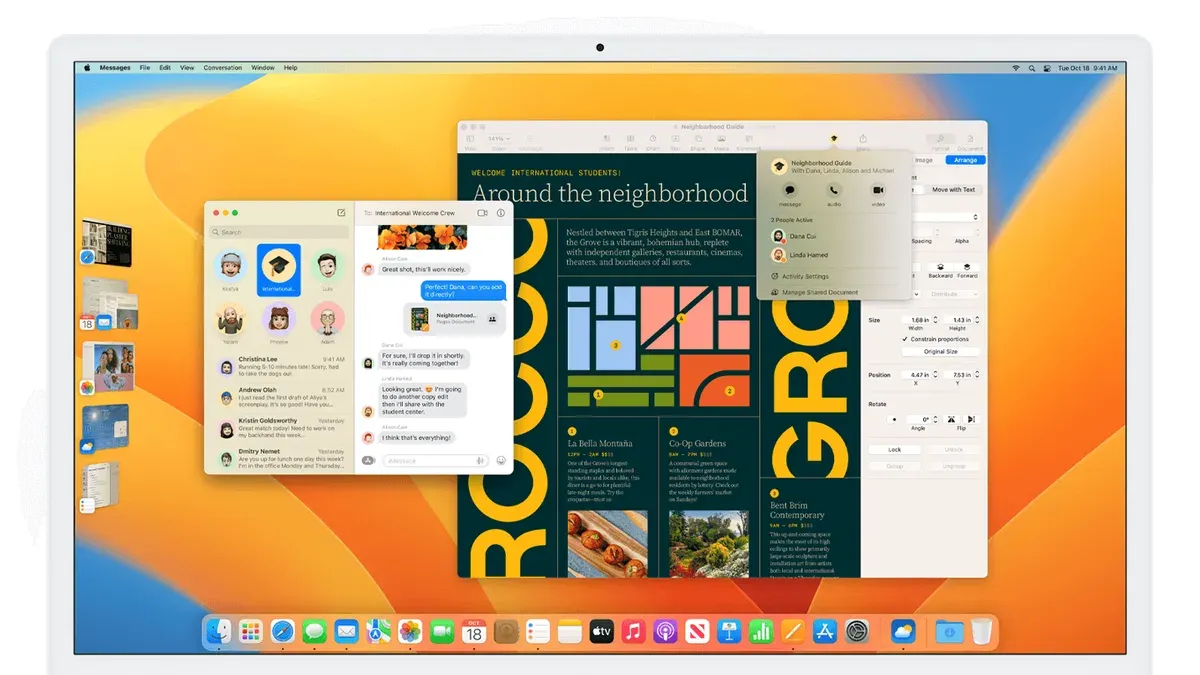
Before installing Terraria on your iMac M4, start by verifying that your macOS is up to date to ensure maximum compatibility and access to the latest performance improvements. The iMac M4 supports macOS versions starting from the initial release tailored for Apple Silicon, such as macOS Big Sur and later. Ideally, you should be running at least macOS Monterey or Ventura for best results, as these versions include important system optimizations and security updates.
Next, check your available storage by opening Finder and selecting your system drive, then pressing Command-I to view disk space. Terraria itself requires only a few gigabytes, but allowing at least 10 GB of free space helps avoid installation issues and smooth gameplay, especially when mods or additional content are involved. If your storage is tight, consider deleting unused files or moving large media to an external drive.
Finally, explore community resources to stay informed about the latest tips and potential issues related to Terraria on the iMac M4. Official Terraria forums at forums.terraria.org and Apple user communities like the Apple Support Communities at discussions.apple.com often share valuable insights. These platforms provide updates on game patches, compatibility notes, and optimization advice that can help you get the best experience.
Frequently asked questions
Is Terraria optimized for Apple Silicon chips like the M4?
Terraria has received updates to improve compatibility with Apple Silicon chips, including the M4. However, it may still run through Rosetta 2 emulation in some cases, which can affect performance slightly. Native support is better for smooth gameplay, so ensure you have the latest game version from Steam or the official source.
Can I use Terraria mods on my iMac M4 without performance issues?
Using mods on Terraria with an iMac M4 is possible, but performance depends on the mod's complexity and optimization. Some heavy mods may cause frame drops or increased loading times, especially if they are not optimized for ARM architecture. It's best to test mods individually and monitor the game’s responsiveness.
What macOS version should I have for the best Terraria experience on iMac M4?
For optimal Terraria performance, you should be running macOS Ventura or later, as these versions provide better support for Apple Silicon hardware. Keeping your system updated ensures compatibility with the latest game patches and system-level optimizations. Avoid older macOS versions that lack full ARM support.
Will playing Terraria on iMac M4 affect its system temperature or battery life?
Playing Terraria on an iMac M4 can raise the system temperature moderately during extended sessions due to the CPU and GPU workload. However, the M4 chip is energy-efficient, so battery life impact is generally minimal on portable Macs with the same chip. Using Low Power Mode and closing other apps can help manage temperature and conserve energy.
What This Advice Does Not Cover
This advice does not cover performance on non-standard iMac M4 configurations or heavily modded Terraria versions, which may behave differently. If your iMac M4 has aftermarket hardware changes or you plan to use extensive mods that significantly alter Terraria’s code or assets, your experience may vary. Similarly, this guide does not address macOS beta versions or third-party compatibility layers, which could affect game stability and performance.
For users with these conditions, consulting specific forums or communities focused on modded Terraria or advanced Mac setups is recommended to get tailored advice.
Your Most Useful Next Step
Before installing Terraria, check your macOS version under System Preferences > About This Mac and ensure it is fully updated. Terraria’s performance and compatibility often improve with the latest system patches and driver updates. Next, download the game from the official Mac App Store or Steam to guarantee you have the optimized ARM-compatible version. Finally, launch Terraria and set graphics options to medium or lower if you notice any lag, then adjust upward gradually to find the best balance between visuals and smooth gameplay.
See also: Can iMac M4 Run Civilization VI? A Straightforward Answer · Can Your iMac M4 Run Cities Skylines 2? A Clear and Practical Answer · Can iMac M4 Run Stardew Valley? A Clear and Detailed Answer · Can Your iMac M4 Run Among Us? A Clear and Helpful Guide