Can iMac M4 Run Resident Evil 4 Remake? A Clear and Practical Answer
Learn how to run Resident Evil 4 Remake on iMac M4, including performance expectations, setup options, and practical gaming tips for Apple Silicon.
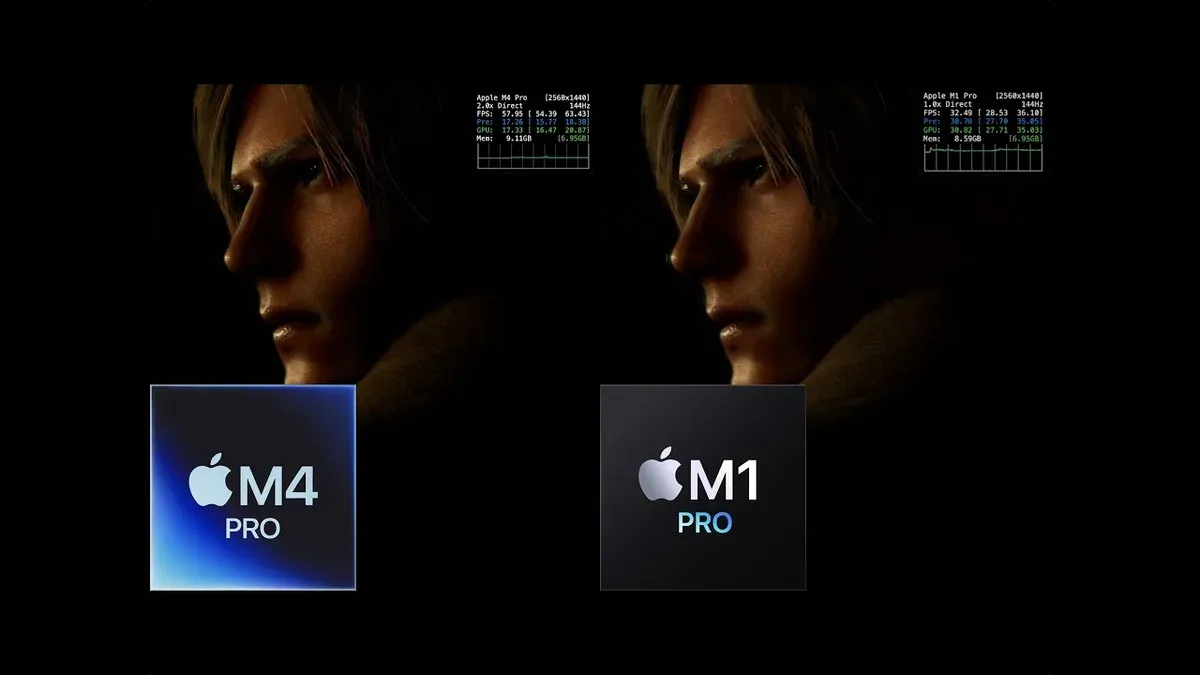
You have a new iMac M4 and are excited about playing modern games, but Resident Evil 4 Remake catches your eye. You wonder, can iMac M4 run Resident Evil 4 Remake smoothly, or will you face unexpected hurdles?
This article answers that question by examining the specific challenges of running Resident Evil 4 Remake on the iMac M4 with Apple Silicon. You'll learn about the game's system demands, the options for running it on your machine—whether through native support, emulation, or streaming—and what performance to realistically expect. Additionally, you'll find practical advice on troubleshooting common issues and optimizing your iMac for gaming beyond this title.
Key takeaways
- Resident Evil 4 Remake is demanding and not natively supported on Apple Silicon, requiring workarounds.
- Running the game involves using Windows emulation tools or game streaming services for playable performance.
- Performance may vary and is generally less smooth than on native Windows PCs with dedicated GPUs.
- Troubleshooting includes adjusting graphics settings, managing thermal performance, and ensuring software compatibility.
- Consider upgrading or alternative setups if you seek consistently high-end gaming experiences.
Get a Straight Answer: Can Your iMac M4 Run Resident Evil 4 Remake?
The iMac M4 can run Resident Evil 4 Remake, but not natively. Since the game is designed primarily for Windows PCs with x86 architecture, it requires a compatibility layer or alternative methods to work on Apple Silicon like the M4 chip. Common approaches include using virtualization software or game streaming services.
Performance on the iMac M4 will generally be modest. Benchmarks and user experiences with similar Apple Silicon Macs show that while the game launches and is playable, you should expect lower frame rates and reduced graphical detail compared to native Windows gaming PCs. Smooth gameplay depends on settings adjustments and the method used to run the game.
No special hardware upgrades are necessary, but you will need to set up either virtualization tools such as Parallels Desktop or streaming platforms like NVIDIA GeForce Now. These setups can be technical and may require patience to optimize. This means Resident Evil 4 Remake is accessible on the iMac M4, but with some compromises on performance and user experience.
Understand Resident Evil 4 Remake’s System Demands on Apple Silicon
Resident Evil 4 Remake requires a high-performance system with a dedicated graphics card, a modern multi-core CPU, at least 16 GB of RAM, and Windows 10 or later as its operating system. Capcom’s official minimum specs list an NVIDIA GTX 1060 or AMD RX 580 equivalent GPU, an Intel i5-7500 or AMD Ryzen 3 1200 processor, and 16 GB RAM. The game is optimized for DirectX 12, which is standard on Windows but not natively supported on macOS.
The iMac M4 uses Apple Silicon, which integrates CPU, GPU, and RAM into a unified architecture distinct from traditional x86 Windows gaming PCs. Apple’s M4 chip offers impressive performance for general computing and many tasks but uses a different GPU architecture and runs macOS, which lacks native DirectX 12 support. This means Resident Evil 4 Remake cannot run natively without compatibility layers or virtualization.
Because of these architecture differences, the iMac M4’s GPU performance, while strong for Apple-optimized software, does not directly match the discrete GPUs recommended for the game. Additionally, the CPU cores in Apple Silicon are designed for efficiency and mobile workflows rather than sustained high-frequency gaming loads typical on Windows PCs. These factors combine to limit the iMac M4’s ability to deliver smooth, native gameplay without workarounds.
Explore How to Run Resident Evil 4 Remake on iMac M4: Native, Emulation, or Streaming
You can run Resident Evil 4 Remake on your iMac M4 primarily through three approaches: native macOS support if available, emulation or virtualization of the Windows version, and game streaming services. The game currently lacks a native macOS port, so direct installation on macOS is not possible without workarounds.

Using compatibility layers like CrossOver or virtualization software such as Parallels Desktop allows you to run the Windows version on Apple Silicon. However, these methods introduce performance overhead. On an iMac M4, emulation may result in lower frame rates and occasional stutters compared to native Windows hardware, due to translation layers and limited GPU optimization.
Game streaming services like NVIDIA GeForce Now or Xbox Cloud Gaming offer an alternative by running the game on powerful remote servers and streaming the video feed to your iMac. This approach bypasses hardware limitations and can deliver smooth gameplay with low latency on a stable internet connection, though input lag and streaming quality depend on your network speed.
Manage Performance Expectations: What Gameplay Will Feel Like
You can expect Resident Evil 4 Remake on the iMac M4 to run at variable frame rates depending on your chosen method. When streaming, frame rates often stay close to 60 FPS, providing smooth gameplay, but this depends heavily on your network stability. Using emulation or virtualization usually results in frame rates around 30 FPS or lower, which can feel choppier during fast action sequences.
To improve performance, adjusting graphical settings is key. Reducing texture quality, disabling shadows, and lowering resolution within the game’s graphics menu (Settings > Graphics) can help maintain playable frame rates. For example, switching from "High" to "Medium" texture settings and turning off motion blur often yields a noticeable boost without severely impacting visual clarity.
Input compatibility is another factor affecting your experience. While standard USB or Bluetooth controllers generally work well with minimal latency, using keyboard and mouse through emulation may introduce slight delays. Streaming adds another layer of input lag, so wired connections for peripherals and network are recommended to keep responsiveness as tight as possible.
Address Common Issues and How to Troubleshoot Them
You may encounter crashes, graphical glitches, or input lag when running Resident Evil 4 Remake on your iMac M4 due to the complex interaction between Apple Silicon, virtualization layers, or streaming setups. Common crashes often happen during game launch or loading screens, sometimes caused by insufficient allocated resources or outdated virtualization software.
To troubleshoot, first ensure your virtualization app is updated to the latest version and that your iMac has enough free RAM—ideally over 16 GB—for smooth operation. If you experience graphical glitches like texture pop-ins or flickering, lowering in-game graphics settings such as shadows and reflections can help, as well as enabling Metal API support if available in your virtualization environment. Input lag during emulation or streaming can often be reduced by using a wired controller or keyboard, and closing background apps that consume network or CPU resources.
Community forums, like the official Apple Support Communities and gaming subreddits, often share step-by-step guides for specific error codes or performance tweaks. If problems persist despite these steps, consider reaching out to virtualization software support or Apple customer service for advice tailored to your setup.
Decide When to Upgrade or Choose Alternative Gaming Setups
You should consider upgrading or choosing a different gaming setup if the iMac M4 cannot deliver smooth gameplay at acceptable graphics settings or if virtualization and streaming solutions introduce too much latency or instability. When Resident Evil 4 Remake runs with frequent frame drops below 30 FPS or suffers from persistent input lag, these are clear signs that the current setup is limiting your experience.
Alternative devices that provide a better native experience include Windows gaming PCs with dedicated graphics cards like the NVIDIA RTX 3060 or AMD Radeon RX 6600, which can run the game smoothly at high settings. Macs with M1 Pro or M2 Pro chips offer improved graphics performance over the iMac M4, but still may require streaming for optimal results. Consoles such as the PlayStation 5 or Xbox Series X deliver consistent performance out of the box and are cost-effective choices for gaming-focused users.
For budget-conscious users, a mid-range gaming PC or a used current-generation console often provides the best balance of price and performance without relying on workarounds. Future-proofing considerations include selecting hardware that supports DirectX 12 and has at least 8GB of VRAM, ensuring compatibility with upcoming game releases and smooth performance beyond Resident Evil 4 Remake.
Optimize Your iMac M4 for Gaming Beyond Resident Evil 4 Remake
You can improve your iMac M4’s gaming performance by regularly maintaining your system and managing active resources effectively. Start by closing unnecessary background apps via Activity Monitor to free up CPU and RAM, which can boost frame rates by making more system power available. Keeping macOS updated also ensures you benefit from the latest performance and security optimizations.
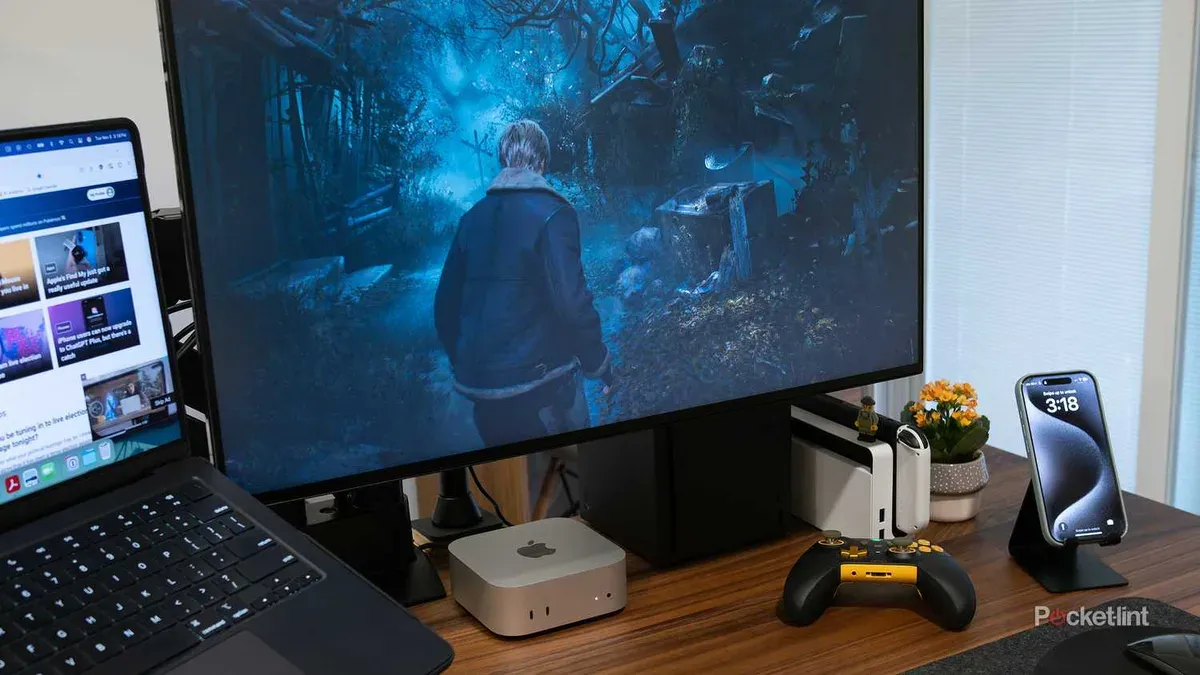
Next, adjust software settings specifically for gaming. Enable Low Power Mode only when you want to conserve energy, as it reduces CPU speed and can limit game performance. Instead, use the Energy Saver preferences to prevent your Mac from sleeping during gameplay, and consider external cooling solutions like a laptop cooling pad or ensuring proper ventilation to avoid thermal throttling.
Additionally, consider useful peripherals that enhance gaming responsiveness and comfort. A wired mouse and keyboard reduce input lag compared to wireless options. Connecting your iMac to an external display with a higher refresh rate can also improve visual smoothness. These combined tweaks can noticeably enhance your experience not just with Resident Evil 4 Remake but with other demanding games as well.
Frequently asked questions
Is there a native macOS version of Resident Evil 4 Remake?
No, Resident Evil 4 Remake does not have a native macOS version. The game is developed primarily for Windows and consoles, so running it on macOS requires alternative methods such as emulation or streaming. This means you cannot install or run the game directly on macOS without additional software layers.
Can I use Boot Camp or other Windows installations on iMac M4 to run the game?
Boot Camp is not available on iMac M4 models with Apple Silicon, so you cannot install Windows natively to run Resident Evil 4 Remake. Instead, you would need to use virtualization tools like Parallels Desktop, but these often come with performance limitations for demanding games. As a result, running the game through virtualization may lead to lower frame rates and possible input lag.
What are the minimum graphics settings to achieve playable frame rates on iMac M4?
To reach playable frame rates on iMac M4, you will generally need to set graphics quality to Low or Medium within the game settings. Disabling features like ray tracing, reducing resolution scaling to around 75%, and turning off shadow and texture details can help improve performance. Keep in mind that even with these adjustments, the frame rate may fluctuate during intense scenes.
Are there known compatibility issues with controllers or input devices on iMac M4?
Some controllers may require additional configuration or third-party drivers to work smoothly with macOS on iMac M4. Bluetooth controllers like the Xbox or PlayStation DualSense often connect easily, but certain advanced features or button mappings might need manual adjustment. Wired controllers generally have fewer issues but ensure macOS recognizes the device and test inputs before gameplay.
Limits of This Advice and Who Should Consider Other Options
This advice does not cover running Resident Evil 4 Remake on non-Apple Silicon Macs or older iMac models with Intel processors. It also cannot guarantee flawless performance due to ongoing updates from both Apple’s macOS and the game developers, which may affect compatibility and stability. If you rely on a consistently high frame rate or want to avoid troubleshooting, a dedicated gaming PC or console might be a better fit. Additionally, users unfamiliar with configuring emulation layers or streaming services may find the setup process challenging.
As a practical next step, focus on configuring your iMac M4 with the latest macOS updates and install the official versions of software like Parallels Desktop or a comparable virtualization tool. This will give you the most straightforward and supported way to run Resident Evil 4 Remake or similar Windows games on your Apple Silicon device. Ensuring your iMac is properly optimized for these tools will help you balance performance with usability, setting the foundation for the best possible gaming experience on your hardware.
See also: Can Your iMac M4 Run Resident Evil Village? A Straightforward Guide · Can iMac M4 Run Civilization VI? A Straightforward Answer · Can Your iMac M4 Run Elden Ring? A Clear and Practical Answer · Can iMac M4 Run Genshin Impact? A Practical and Detailed Guide