How Long Will Your MacBook Air 15 Inch M5 Receive macOS Updates?
Learn how long your MacBook Air 15 inch M5 will receive macOS updates to stay secure and compatible with new features.
You’ve just picked up the MacBook Air 15 inch M5, and you’re wondering about its future. How long will it keep getting the latest macOS updates, and what does that mean for your investment? If you’ve searched for "MacBook Air 15 inch M5 how many years of macOS updates," you’re not alone.
This article helps you understand how Apple supports your MacBook Air with macOS updates over time. We’ll look at Apple’s update patterns, how to estimate your device’s update lifespan, and what to expect when updates eventually stop. You’ll also learn how to manage updates effectively and avoid common mistakes that can impact your Mac’s usability down the road.
Key takeaways
- Apple typically supports Mac models with macOS updates for around 6 to 7 years from release.
- The MacBook Air 15 inch M5 will likely follow this pattern based on past models.
- You can check for updates in System Settings > General > Software Update.
- Regular updates keep your Mac secure and compatible with new software features.
- When updates stop, your Mac will still work but may miss out on security patches and new features.
Understand Why macOS Updates Matter for Your MacBook Air
macOS updates are essential because they deliver security patches, new features, and performance improvements that keep your MacBook Air running smoothly and safely. For example, Apple regularly fixes vulnerabilities that could allow unauthorized access to your data, helping protect your privacy and information. Updates also introduce features like enhanced multitasking or redesigned app interfaces, which improve your overall experience.
Over time, apps on your MacBook Air evolve to require the latest macOS versions. Staying current ensures compatibility with popular software, so you won’t face issues like apps crashing or refusing to open. Additionally, updates optimize how your hardware performs, ensuring that the MacBook Air’s components work efficiently as software demands increase.
Imagine using an older macOS version: you might miss out on features like Focus mode or Live Text, and your system could be more vulnerable to security threats. Keeping your MacBook Air updated means you benefit from Apple's ongoing improvements and maintain a reliable, secure, and capable device.
How Apple Determines macOS Update Support for Mac Models
Apple generally provides macOS updates to Mac models for around seven years after their initial release. This support depends on the device meeting minimum hardware requirements, especially related to the chip and system architecture. For example, Macs with Apple Silicon chips have different update lifespans compared to older Intel-based models, as Apple phases out support for older architectures when they no longer meet performance or security standards.
Major macOS upgrades introduce new features and often require more advanced hardware capabilities, while minor updates focus on security patches and bug fixes. This means that while your MacBook Air 15 inch M5 will likely receive several major macOS versions, security updates may continue even after some new features are no longer supported.
Looking at recent history, Intel-based MacBook Air models released around 2015 received about seven years of macOS updates before Apple Silicon models started to take precedence. With the transition to Apple Silicon, including the M5 chip in your MacBook Air, you can expect a similar or slightly longer update window due to Apple's focus on optimizing its software for its own chips.
For instance, a MacBook Air with an M1 chip released a few years ago has already received multiple major macOS updates and continues to get security patches. This example helps illustrate how Apple balances hardware capabilities and software evolution to set realistic expectations for update support.
Estimate the macOS Update Lifespan Specifically for the MacBook Air 15 Inch M5
The MacBook Air 15 inch M5 benefits from Apple’s latest M-series chip architecture, which generally extends the period of macOS update support compared to previous Intel-based models. For instance, the Intel MacBook Air released in 2018 received around five years of major macOS updates before being phased out. In contrast, Apple Silicon Macs like the M1 MacBook Air, introduced in late 2020, have shown support for at least seven years of updates, reflecting the company’s focus on longer software support for its own chip designs.
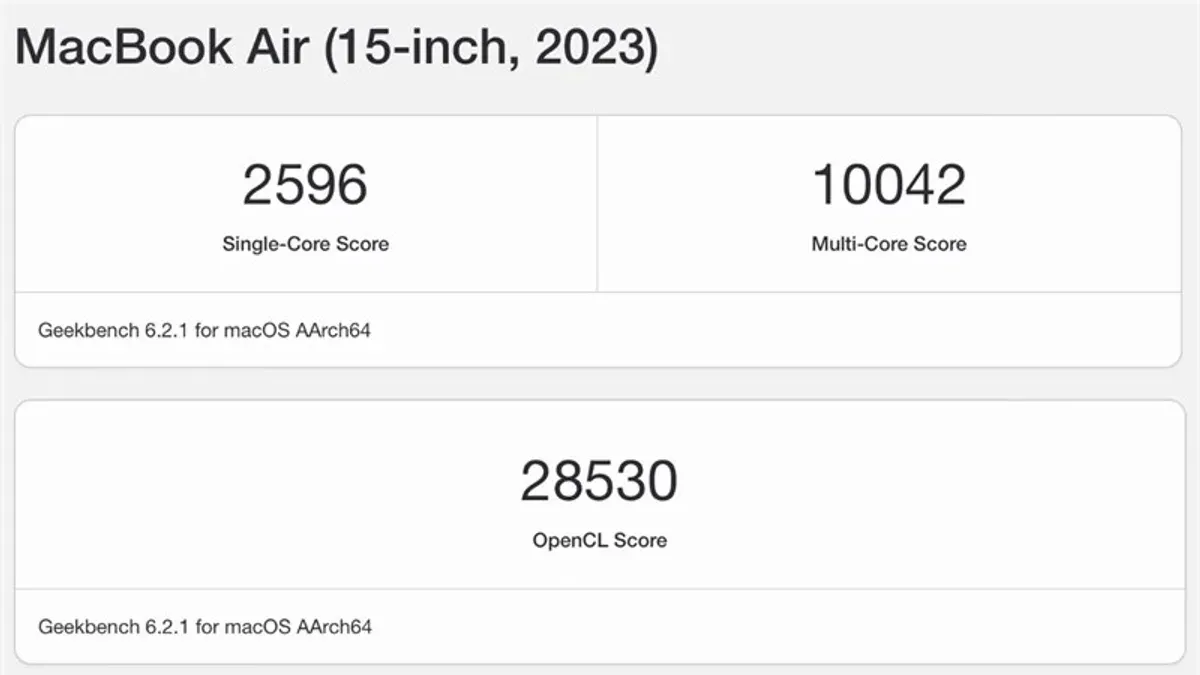
Considering this, the M5 chip in your MacBook Air 15 inch is expected to receive macOS updates for at least seven years, possibly longer. The M5 is a newer generation of Apple Silicon, which typically means support windows either match or slightly exceed those of the M1 and M2 models. This extended lifespan ensures your device stays current with security patches, features, and app compatibility well into the future.
To picture this, imagine buying the M5 MacBook Air today and confidently expecting it to run the latest macOS versions through much of the next decade. This longevity adds value to your investment, giving you a comfortable window before needing to consider an upgrade based on software support rather than hardware failure alone.
How to Check and Manage macOS Updates on Your MacBook Air
To keep your MacBook Air 15 inch M5 running smoothly and securely, regularly checking for macOS updates is essential. Start by opening System Settings from the Apple menu. Next, navigate to General > Software Update. Here, you’ll see if an update is available. If there is, the interface shows a brief description and the option to Update Now or More Info for details.
You can choose to enable automatic updates by clicking on the Advanced button within the Software Update pane. This allows your Mac to download and install updates overnight or when it’s idle, reducing disruption. However, if you prefer control, leave automatic updates off and check manually at your convenience.
Before installing major updates, make sure your MacBook Air is plugged into power and has a reliable internet connection. It’s also wise to back up important files using Time Machine or another method. This preparation prevents data loss if the update process encounters issues.
For example, when a new macOS update arrives, a notification badge appears on the System Settings icon, prompting you to review it. Clicking this leads you directly to the Software Update screen, where you can decide how and when to install the update.
[Screenshot placeholder: System Settings showing Software Update availability]
[Screenshot placeholder: Notification badge on System Settings icon]
What Happens When Your MacBook Air Stops Receiving macOS Updates?
Once your MacBook Air 15 inch M5 no longer receives macOS updates, it continues to operate but with some growing limitations. The biggest risk is security: without regular patches, your Mac becomes more vulnerable to malware and cyberattacks targeting known weaknesses. For example, unsupported versions of macOS won't receive fixes for newly discovered exploits, leaving your data and privacy at risk.
App compatibility also declines over time. Developers update their software to leverage the latest system features and security protocols, so older macOS versions may no longer support new app versions or services. You might find that essential apps stop working or lose functionality, which can disrupt your workflow.
To maintain usability and security afterward, you have a few options. Apple occasionally offers extended security updates for some older macOS releases, though these are limited. Third-party security software can help fill some gaps but cannot fully replace system-level protections. Ultimately, upgrading to a newer Mac or macOS version remains the most reliable way to stay current.
Imagine using an online banking app that requires the latest security standards; on an unsupported macOS, you might be locked out or face increased risk. Being aware of these implications helps you plan your Mac’s lifecycle and investment wisely.
Avoid Common Mistakes When Relying on macOS Updates for Your MacBook Air
Delaying macOS updates for too long can expose your MacBook Air to avoidable security vulnerabilities. For example, skipping several updates might leave your device unprotected against newly discovered malware or exploits. Apple's update notifications appear in System Settings > General > Software Update, and it's best not to postpone installations repeatedly.
Ignoring app compatibility warnings is another common pitfall. Some apps notify you if they require a newer macOS version or if certain features may not function properly after an update. For instance, after skipping updates, users have reported issues with professional software like Adobe Creative Cloud apps failing to launch or crashing unexpectedly, which can disrupt your workflow.
Assuming all features work exactly the same after an update may cause frustration. Updates sometimes change the behavior or location of settings, like the new Focus Modes or redesigned Control Center. If you skip updates and then install several at once, you might miss these gradual changes and feel disoriented.
To avoid these issues, keep up with updates regularly, read app compatibility notes carefully, and explore new features incrementally. This approach helps you maintain both security and smooth usability on your MacBook Air 15 inch M5.
Frequently asked questions
How often does Apple release macOS updates for the MacBook Air?
Apple typically releases major macOS updates once a year, usually in the fall. In addition, there are smaller updates and security patches throughout the year. These incremental updates help keep your MacBook Air running smoothly and securely between major releases.
Can I still use my MacBook Air safely without the latest macOS updates?
Your MacBook Air will continue to function without the latest updates, but missing critical security patches can increase vulnerability to malware and other threats. It's recommended to install all available security updates even after the device stops receiving major macOS versions. Using built-in security features like FileVault and enabling the firewall can also help maintain safety.
Will the MacBook Air 15 inch M5 support all future macOS features?
While the MacBook Air 15 inch M5 will support many new macOS features initially, over time some features may require newer hardware or system capabilities. Apple designs updates to maximize compatibility but eventually phases out support for older devices as new technologies emerge. Checking official compatibility lists before major updates is a good practice.
How can I extend the usability of my MacBook Air after updates stop?
To keep your MacBook Air useful after official updates end, focus on optimizing performance by managing startup items, freeing disk space, and using lightweight apps. Regularly backing up your data using Time Machine or other tools is essential. You can also continue to use compatible software and maintain security by adjusting privacy settings and using reputable antivirus tools.
Understand the Limits of This Advice
The article’s update lifespan estimates rely on past Apple behavior and current chip architecture but cannot predict future changes in Apple’s policies or technical requirements. If Apple changes its update strategy, the support period for the MacBook Air 15 inch M5 could be longer or shorter than anticipated. Additionally, this guidance does not cover hardware failures, warranty services, or third-party software compatibility that may affect your device’s usability over time. If you require guaranteed long-term support or specialized software compatibility, consulting with Apple directly or an authorized service provider is recommended.
To make the most of your MacBook Air 15 inch M5’s update lifecycle, regularly check for macOS updates by opening System Settings > General > Software Update. Enabling automatic updates here ensures you receive important security patches and new features as soon as Apple releases them. Staying proactive with updates not only extends your device’s practical lifespan but also keeps your MacBook Air running smoothly and securely throughout your ownership.
See also: Discover the MacBook Air 15 Inch M5 Specs: What You Need to Know · MacBook Air 15 Inch M5 Review 2026: Performance, Value, and Comparison · Does the MacBook Air 15 inch M5 Have Thunderbolt? A Complete Guide · Can You Upgrade RAM on the MacBook Air 15 Inch M5? A Clear Guide