How Many USB-C Ports Does the MacBook Air 15 Inch M5 Have?
Learn the exact number of USB-C ports on the MacBook Air 15 inch M5 and how to use them for displays, storage, and charging.
You’ve just unboxed your new MacBook Air 15 inch M5 and want to set up your workspace. Before you start plugging in devices, you might wonder, MacBook Air 15 inch M5 how many USB-C ports does it actually have? Knowing the exact number and type of ports is key to matching the laptop’s connectivity options with your daily needs.
This article guides you step by step to identify the USB-C ports on your MacBook Air 15 inch M5. Beyond just counting ports, you’ll learn why those ports matter based on typical workflows, whether you’ll find an Ethernet port, and how this model’s ports compare with others in the MacBook lineup. Finally, you’ll get practical tips on using your ports efficiently and avoiding common mistakes that new users often make.
Key takeaways
- The MacBook Air 15 inch M5 has two USB-C ports with Thunderbolt 4 support.
- Understanding port types helps you connect displays, storage, and chargers correctly.
- This model does not include a built-in Ethernet port, but adapters are available.
- Compared to the MacBook Air 14 inch and MacBook Pro M5, port options vary in number and features.
- Using the right cables and avoiding overloading ports improves performance and device longevity.
Identify the USB-C Ports on the MacBook Air 15 Inch M5
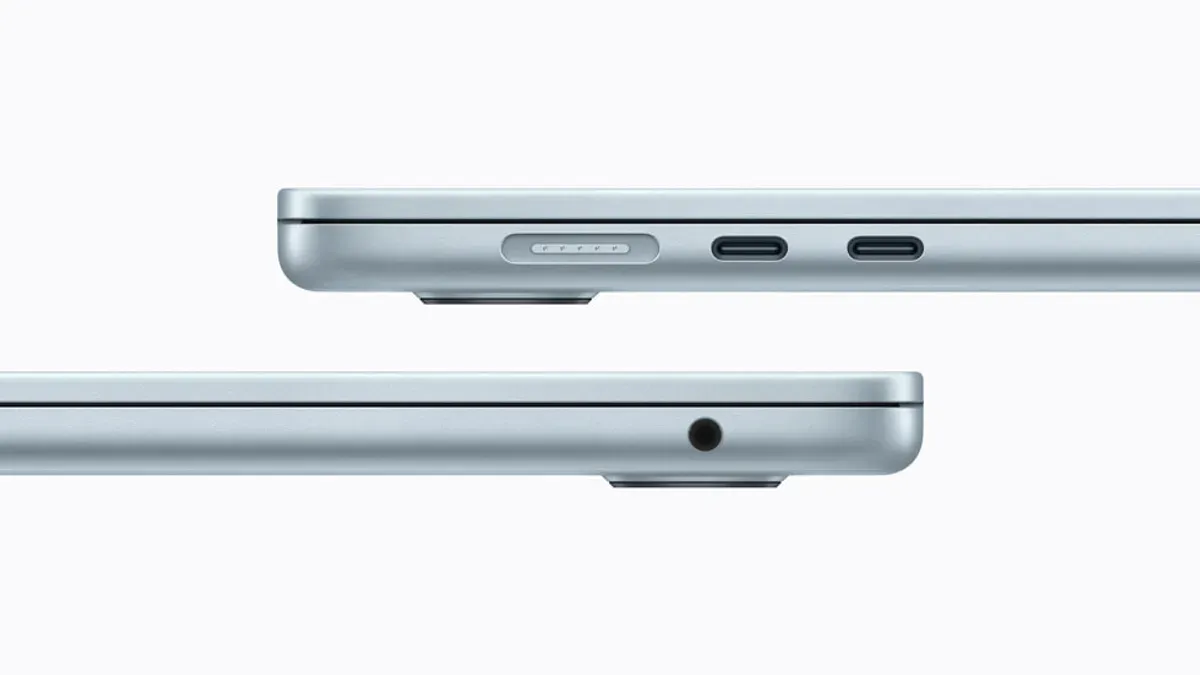
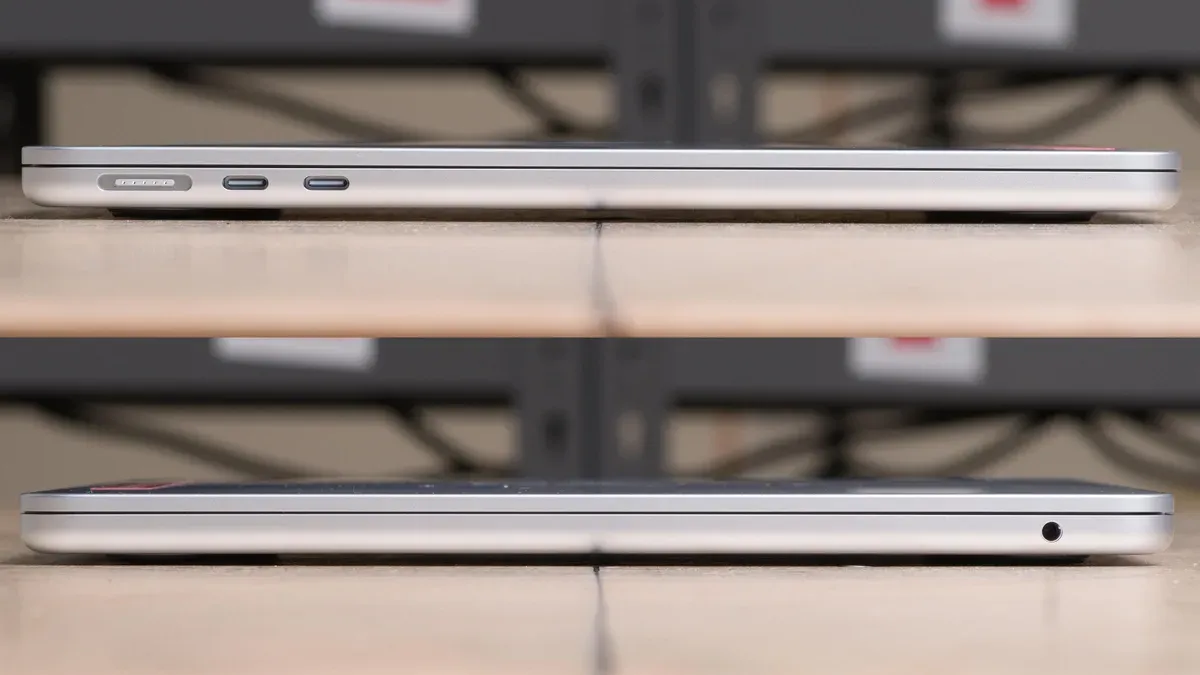
The MacBook Air 15 inch M5 features two USB-C ports, both positioned on the left side of the device. These ports support the Thunderbolt 4 standard, which means they are compatible with USB 4 and provide high-speed data transfer, video output, and charging capabilities through a single connection. This setup allows you to connect external displays, fast storage devices, or power adapters without needing separate ports for each function.
Compared to the previous MacBook Air M4 model, which also included two USB-C ports with Thunderbolt 3 support, the M5's use of Thunderbolt 4 marks an upgrade in terms of bandwidth and compatibility. On the other hand, the MacBook Pro M5 models typically offer more ports, including additional USB-C/Thunderbolt ports, which might be relevant if you require multiple simultaneous connections.
For example, imagine you want to connect an external 4K monitor and a high-speed external SSD. You can plug the monitor into one USB-C port and the SSD into the other without adapters. If you need to charge your MacBook Air while using both devices, you might have to use a docking station or hub, as there is no dedicated charging port separate from these USB-C connections.
| Model | USB-C Ports | Thunderbolt Version |
|---|---|---|
| MacBook Air 15 Inch M5 | 2 (left side) | Thunderbolt 4 (USB 4 compatible) |
| MacBook Air M4 | 2 (left side) | Thunderbolt 3 |
| MacBook Pro M5 | 3 or 4 (both sides) | Thunderbolt 4 |
Explain Why the Number and Type of Ports Matter for Your Usage
The number and type of ports on your MacBook Air 15 inch M5 directly influence how many devices you can connect without needing extra adapters or hubs. For example, with two Thunderbolt 4 USB-C ports, you can connect an external display and a fast external SSD simultaneously, but adding a wired keyboard or Ethernet connection at the same time might require a hub. This limits your ability to work seamlessly if you rely on multiple peripherals.
Thunderbolt 4 support enhances what each port can do by allowing high-speed data transfer, driving high-resolution monitors, and even providing power delivery. This means you can connect a 6K display or transfer large video files quickly using one port. However, since the number of physical ports is limited, you must prioritize which devices you connect directly and which ones use a dock or adapter.
Picture a typical workflow: you want to charge your MacBook, connect a USB flash drive, and output video to a projector during a presentation. With only two USB-C ports, you might charge through one port and use a multiport adapter on the other to connect both the flash drive and projector. Knowing these constraints helps you plan your accessories and avoid interruptions.
Check if the MacBook Air M5 Has an Ethernet Port
The MacBook Air 15 inch M5 does not come with a built-in Ethernet port. Apple’s design for this model focuses on slimness and portability, which means traditional Ethernet jacks are omitted. If you require a wired internet connection, you will need to use an adapter or docking station that connects via one of the USB-C ports.
For example, you can use a USB-C to Ethernet adapter, which plugs into a Thunderbolt 4 port on your MacBook Air. These adapters support standard RJ45 cables and provide reliable wired connectivity. Some popular options include models from brands like Anker or Belkin, which are compatible with macOS and support gigabit speeds.
Ethernet ports remain popular for certain users who need stable, high-speed internet without Wi-Fi interference—such as video editors, network administrators, or those working in environments with spotty wireless signals. If you fit this profile, investing in a good USB-C Ethernet adapter or a multiport docking station can be a practical solution to get wired networking on your MacBook Air M5.
Compare the MacBook Air 15 Inch M5 Ports with MacBook Air 14 Inch and MacBook Pro M5
When comparing the MacBook Air 15 inch M5 to the 14 inch M5 version, both models offer two USB-C ports with Thunderbolt 4 support, maintaining consistency in high-speed data transfer and charging capabilities. However, the 14 inch model often appeals to users who prioritize portability, while the 15 inch version provides a larger screen without increasing port options. Neither model includes additional ports like HDMI or SD card slots, so your peripheral connections remain limited to those two USB-C ports unless you use adapters or hubs.
Looking at the MacBook Pro M5 models, they generally come with more diverse port selections. For example, some MacBook Pro M5 configurations include three Thunderbolt 4 ports, an HDMI port, and an SDXC card slot. This expanded connectivity suits professionals who regularly connect multiple external displays, high-speed storage devices, or media cards without relying heavily on adapters.
Picture this: if you are a creative professional who needs to plug in an external monitor, an audio interface, and transfer photos from an SD card simultaneously, a MacBook Pro M5 would better fit your workflow. Conversely, if your work mostly involves wireless peripherals or occasional USB-C connections, the MacBook Air 15 inch M5 provides a balanced solution with fewer ports but ample performance for everyday tasks.
| Model | USB-C/Thunderbolt Ports | HDMI Port | SD Card Slot |
|---|---|---|---|
| MacBook Air 15 inch M5 | 2 (Thunderbolt 4) | No | No |
| MacBook Air 14 inch M5 | 2 (Thunderbolt 4) | No | No |
| MacBook Pro M5 | 3 (Thunderbolt 4) | Yes | Yes |
Use Your MacBook Air M5 Ports Efficiently and Avoid Common Mistakes
Using the two USB-C ports on your MacBook Air M5 efficiently means balancing your device connections without relying too heavily on a single port. Plugging multiple devices into one port via a hub can seem convenient but may lead to slower data transfer or charging issues if the hub doesn’t support full Thunderbolt 4 speeds. Instead, distribute devices between both ports to maintain optimal performance.
Choosing the right USB-C cables and adapters is crucial. Not all USB-C cables handle charging and data at the same rates—some are USB 2.0 only, causing slow transfers, while others lack power delivery support. For example, using a USB 2.0 cable to connect an external drive might limit transfer speeds drastically. Always verify the cable’s specifications or opt for Apple-certified or Thunderbolt 4–compatible cables to ensure compatibility and performance.
Managing power delivery while transferring data is another common challenge. If you connect your charger and a high-speed external drive simultaneously, make sure the charger’s wattage matches your MacBook’s needs (usually 30W or higher). Also, avoid using cheap adapters that combine power and data in one port without proper support, as this can cause interruptions. As a practical step, plug your charger into one USB-C port and your data devices into the other to keep power and data paths clear and stable.
Frequently asked questions
Does macbook air m5 have ethernet port?
No, the MacBook Air M5 does not have a built-in Ethernet port. If you need a wired internet connection, you will typically use a USB-C to Ethernet adapter or a docking station that includes Ethernet support.
Does MacBook Air M5 have Ethernet port?
The MacBook Air M5 model lacks a native Ethernet port. To connect via Ethernet, you must rely on external adapters compatible with its USB-C ports.
What ports does MacBook Air M5 have besides USB-C?
Besides the USB-C ports, the MacBook Air M5 includes a 3.5mm headphone jack. It does not have additional types of ports such as HDMI, SD card readers, or Thunderbolt 4 ports beyond the USB-C/Thunderbolt 4 combination.
How much does the MacBook Air M5 15 inch weigh?
The 15-inch MacBook Air M5 weighs approximately 3.3 pounds (around 1.5 kilograms). This weight strikes a balance between portability and screen size, making it light enough for daily carry.
How many USB-C ports does the MacBook Air M4 have?
The MacBook Air M4 features two USB-C ports, both supporting Thunderbolt 3. This is fewer compared to the 15-inch MacBook Air M5, which offers more USB-C ports for expanded connectivity.
Understand the Limits of This Guide and When to Seek More Help
This article does not cover detailed technical repair or internal hardware modification related to the ports. If you require advanced troubleshooting, repairs, or want to upgrade your MacBook Air 15 inch M5’s internal components, consulting an authorized service provider is essential. Additionally, port availability and specifications may vary slightly by regional models or configurations, so always check the official Apple product listing or specifications before making a purchase decision.
To make the most informed choice about whether the MacBook Air 15 inch M5’s ports fit your workflow, the most useful next step is to list your typical devices and accessories you intend to connect. Then, compare that list against the two Thunderbolt 4 (USB-C) ports available on the MacBook Air. If you rely on wired Ethernet, multiple USB-A devices, or external displays beyond what these ports support, consider whether adapters, docks, or an alternative Mac model better suits your needs. This practical preparation helps ensure your new Mac integrates smoothly into your daily setup.
See also: Discover the MacBook Air 15 Inch M5 Specs: What You Need to Know · Mastering the MacBook Air 15 Inch M5 Bluetooth Version: What You Need to Know · Does MacBook Air 15 Inch M5 Support Wi-Fi 7? A Clear Explainer