Can MacBook Air M3 Run Resident Evil 4 Remake? Performance Reviewed
Explore whether the MacBook Air M3 can handle Resident Evil 4 Remake smoothly, including hardware capabilities and gameplay options.
Many MacBook Air M3 owners wonder if their device can run Resident Evil 4 Remake smoothly. This article reviews the game's technical requirements, the MacBook Air M3's hardware capabilities, available play methods, and considerations for battery and thermal management.
Understanding Resident Evil 4 Remake's Technical Demands
Resident Evil 4 Remake is a modern reimagining with updated graphics and advanced rendering features. Its system requirements on Windows and consoles reflect these enhancements.
- Minimum and recommended specs typically include a mid-range dedicated GPU, at least 8GB RAM, and a multi-core CPU.
- The game uses a graphics engine with real-time lighting, high-resolution textures, and dynamic shadows.
- It requires significant GPU power for rendering and CPU resources for AI and physics simulations.
The official requirements specify a discrete graphics card with DirectX 12 support. The game is optimized for Windows and consoles, with no official macOS release.
MacBook Air M3 Hardware Profile and Native Gaming Potential
The MacBook Air M3 features Apple’s latest ARM-based chip with an integrated multi-core GPU designed for energy efficiency rather than peak gaming performance.
- The M3 GPU balances clock speeds and memory bandwidth within strict thermal limits due to the fanless design.
- macOS supports Metal APIs for gaming, but Resident Evil 4 Remake is not natively coded or optimized for this framework.
- Extended heavy workloads cause thermal throttling, which reduces sustained performance during gaming.
Benchmarks of similar titles on the M3 show respectable graphics but generally lower frame rates compared to mid-range Windows gaming PCs with discrete GPUs.
Native Gameplay Feasibility: Can Resident Evil 4 Remake Run on MacBook Air M3?
Resident Evil 4 Remake lacks a native macOS version. Running it natively on the MacBook Air M3 requires compatibility layers or virtualization, both with limitations.
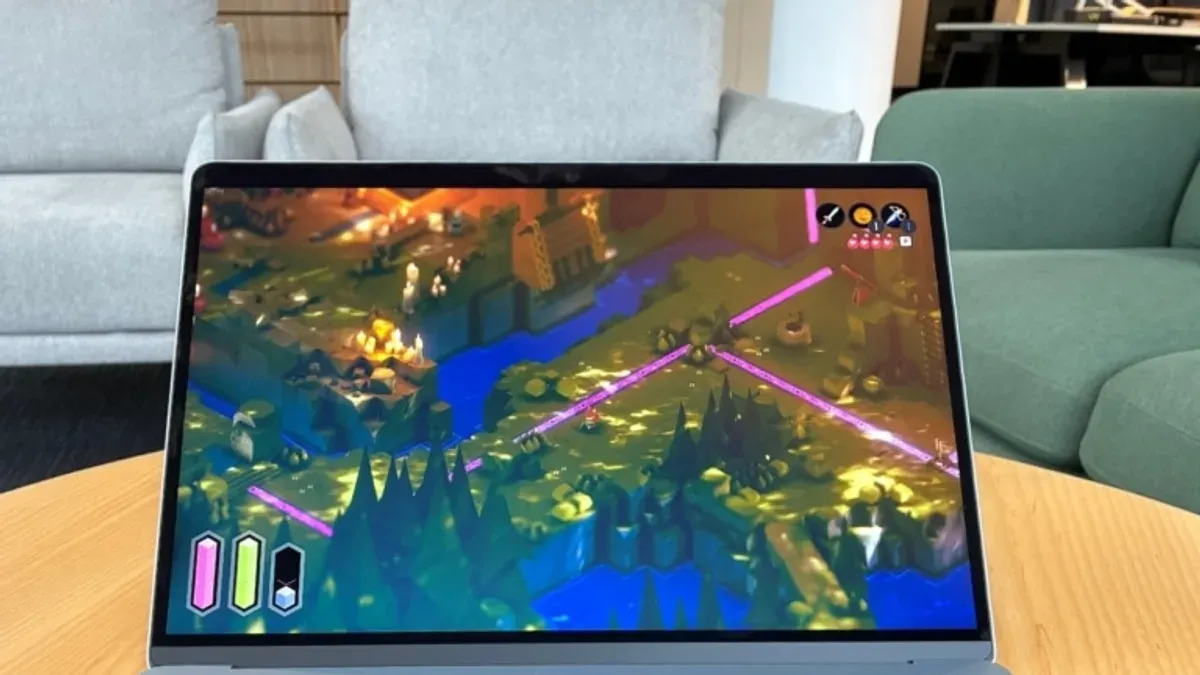
- Rosetta 2 does not support running x86 Windows games on ARM-based Macs for this title.
- Virtualization solutions on ARM Macs do not provide direct GPU access, leading to significant performance degradation.
- If a native macOS version existed, graphics settings would likely need to be set to low or medium to maintain playable frame rates on the M3’s integrated GPU.
Therefore, native gameplay currently is not feasible with acceptable performance and smoothness.
Alternative Methods: Cloud Gaming and Virtualization for Resident Evil 4 Remake
Alternative approaches offer more practical ways to play Resident Evil 4 Remake on the MacBook Air M3.
- Cloud gaming services like GeForce Now or Xbox Cloud Gaming stream the game from powerful servers, bypassing local hardware limits. However, they require a stable, low-latency internet connection to minimize input lag and visual artifacts.
- Windows virtualization on ARM Macs is limited due to poor GPU passthrough and high resource consumption, resulting in low frame rates and reduced responsiveness.
- Cloud gaming generally offers smoother gameplay and better graphics quality at the cost of some input delay and occasional compression artifacts, whereas virtualization struggles with performance.
Testing streaming services with your internet setup is essential for the best experience.
Battery Life and Thermal Management During Extended Play
Gaming significantly affects battery and temperature on the MacBook Air M3.
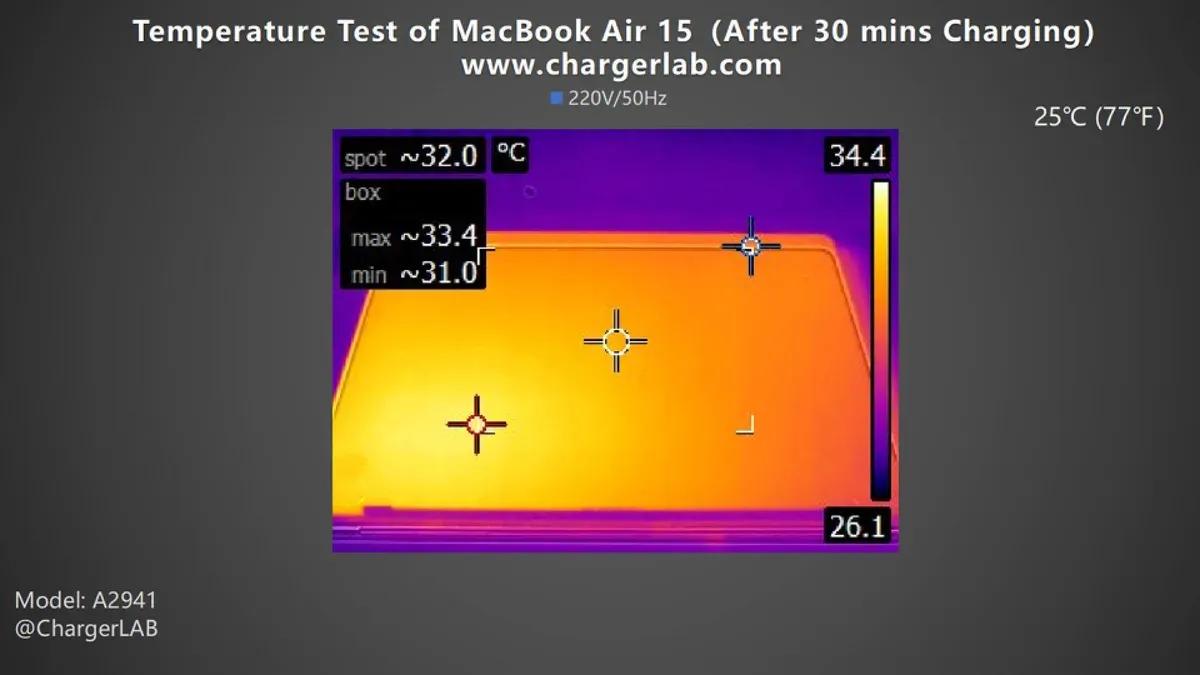
- Native gaming or virtualization leads to rapid battery drain, often reducing playtime to under two hours.
- The fanless design causes surface temperatures to rise quickly, triggering thermal throttling that lowers frame rates during extended sessions.
- Cloud gaming reduces local device workload, helping conserve battery and limit heat buildup.
To optimize battery and thermal performance, lower screen brightness, close unnecessary background apps, and use external power during long gaming sessions.
Final Recommendations: Who Should Play Resident Evil 4 Remake on MacBook Air M3?
The MacBook Air M3 is best suited for casual gamers who want to play Resident Evil 4 Remake occasionally via cloud gaming. Those seeking native play with high performance should consider devices with discrete GPUs.
- Casual players can enjoy streaming the game without hardware upgrades.
- Hardcore gamers should use dedicated gaming hardware for native performance.
- Trade-offs include balancing graphics quality, input latency, thermal comfort, and battery life.
Frequently asked questions
Is there a native macOS version of Resident Evil 4 Remake?
No, Resident Evil 4 Remake does not have an official macOS version.
Can the MacBook Air M3 handle demanding games without external GPUs?
The M3 can run less demanding or well-optimized games but struggles with high-end titles that require discrete GPUs.
What cloud gaming services work best for Resident Evil 4 Remake on Mac?
GeForce Now and Xbox Cloud Gaming are viable options, depending on your location and internet connection quality.
How does the MacBook Air M3 manage heat during long gaming sessions?
Its fanless design causes heat buildup and thermal throttling, which reduces performance over time.
Caveats
This article does not cover unofficial ports or modifications of Resident Evil 4 Remake. Future software updates or hardware changes may affect compatibility and performance.
Checklist: How to Experience Resident Evil 4 Remake on MacBook Air M3 Today
- Verify your internet speed and latency to ensure cloud gaming suitability.
- Sign up for a cloud gaming service that supports Resident Evil 4 Remake.
- Test game streaming quality and input responsiveness.
- Adjust streaming settings to balance visual quality and latency.
- Use external power and lower screen brightness for longer play sessions.