Can MacBook Air M3 Run Resident Evil Village Smoothly?
Explore how the MacBook Air M3 handles running Resident Evil Village, focusing on performance, thermals, and gaming options.
Many MacBook Air M3 users wonder if they can run Resident Evil Village on this lightweight laptop. This article examines not only if the game runs but also how the MacBook Air M3 manages extended sessions, focusing on thermals and sustained performance.
Understanding Resident Evil Village’s System Requirements
Resident Evil Village is a graphically demanding survival horror game designed primarily for Windows PCs. Its minimum requirements call for a quad-core CPU, at least 8 GB of RAM, and a dedicated GPU such as an NVIDIA GTX 1050 Ti or equivalent. Recommended specs push higher, asking for a six-core CPU, 16 GB RAM, and a GPU like the NVIDIA RTX 2060 to maintain smooth gameplay at 1080p with high settings.
The game demands consistent CPU and GPU performance to handle its detailed environments, advanced lighting, and physics effects.
The MacBook Air M3 features Apple’s latest ARM-based chip with an 8-core CPU, combining performance and efficiency cores, and an integrated GPU with up to 10 cores depending on configuration. It comes with either 8 GB or 16 GB of unified RAM. While the architecture differs from standard x86 PCs, the M3’s integrated GPU does not match the raw graphical throughput of dedicated Windows gaming GPUs.
Performance Potential of MacBook Air M3 Running Resident Evil Village via Emulation or Cloud Gaming
Resident Evil Village has no native macOS version. Playing it on a MacBook Air M3 involves alternative methods:
- Windows virtualization or emulation: Solutions like Parallels Desktop allow running Windows on macOS, but these add overhead. The game can launch but often requires lowering resolution and graphics settings to maintain playable frame rates. A common step people miss is adjusting the Windows ARM version settings inside Parallels to allocate sufficient CPU cores and memory, which can improve performance but increases system load. Note that Boot Camp is unavailable on Apple silicon Macs, limiting direct dual-boot options.
- Cloud gaming platforms: Services like NVIDIA GeForce Now or Xbox Cloud Gaming stream the game from remote servers, bypassing hardware limitations. Graphics quality depends on the streaming service settings and internet connection speed. Users should expect some input latency and occasional frame pacing issues, especially during fast-paced gameplay.
Both methods impact battery life: virtualization stresses CPU and GPU more, reducing runtime, while cloud gaming uses Wi-Fi extensively, also draining the battery.
Thermal Management and Sustained Performance During Extended Gameplay
The MacBook Air M3 uses a fanless design relying on passive cooling, which affects sustained gaming performance:
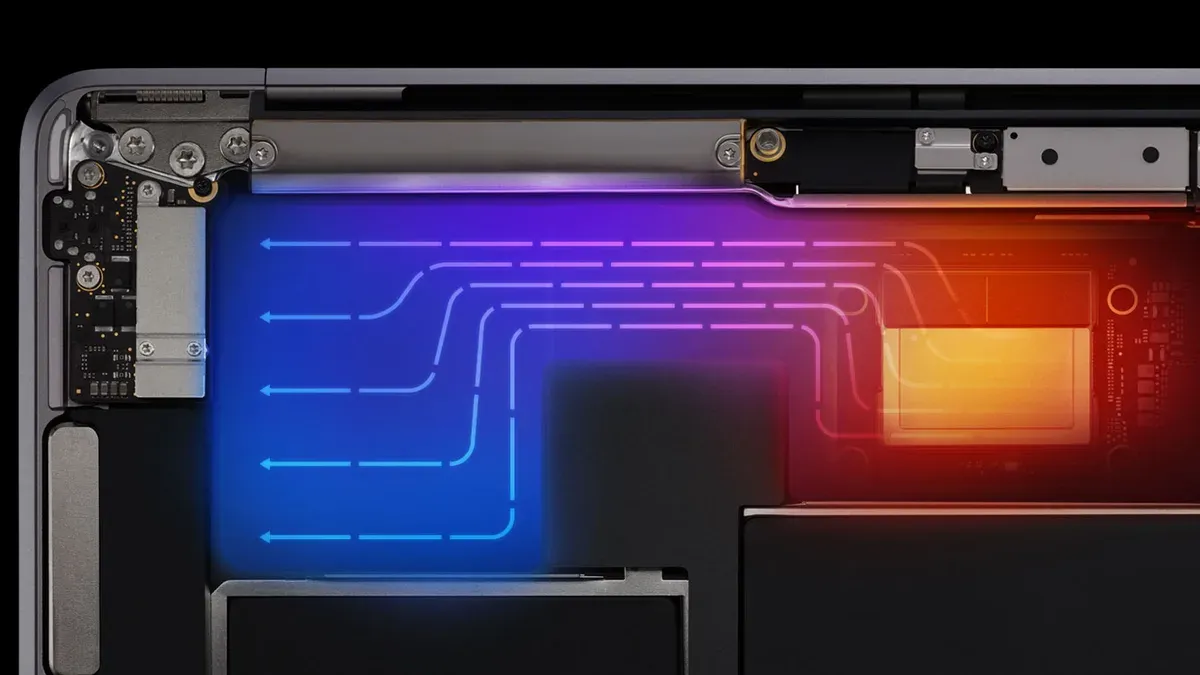
- Performance cores activate under gaming load, but prolonged high usage causes thermal buildup.
- Without active cooling, the system throttles CPU and GPU clock speeds to maintain safe temperatures. This throttling typically begins after 20-30 minutes of continuous gameplay, leading to frame rate drops and reduced smoothness.
- Compared to MacBook Pro models with fans or dedicated gaming laptops, the Air’s sustained performance under load is limited. Short bursts of gameplay at moderate settings are more feasible than extended sessions at high settings.
Visual and Gameplay Experience: Settings to Optimize Resident Evil Village on MacBook Air M3
To balance visuals and smooth gameplay, consider these settings:
- Set resolution to 1280x800 or lower to reduce GPU load.
- Use low or medium graphics presets, focusing on disabling or lowering shadows, reflections, and post-processing effects.
- Reduce texture quality moderately if 16 GB RAM is not available, as higher texture settings increase memory usage and can cause stuttering.
- Close unnecessary background apps and disable macOS features like automatic updates and Spotlight indexing during play to free system resources.
Example step-by-step:
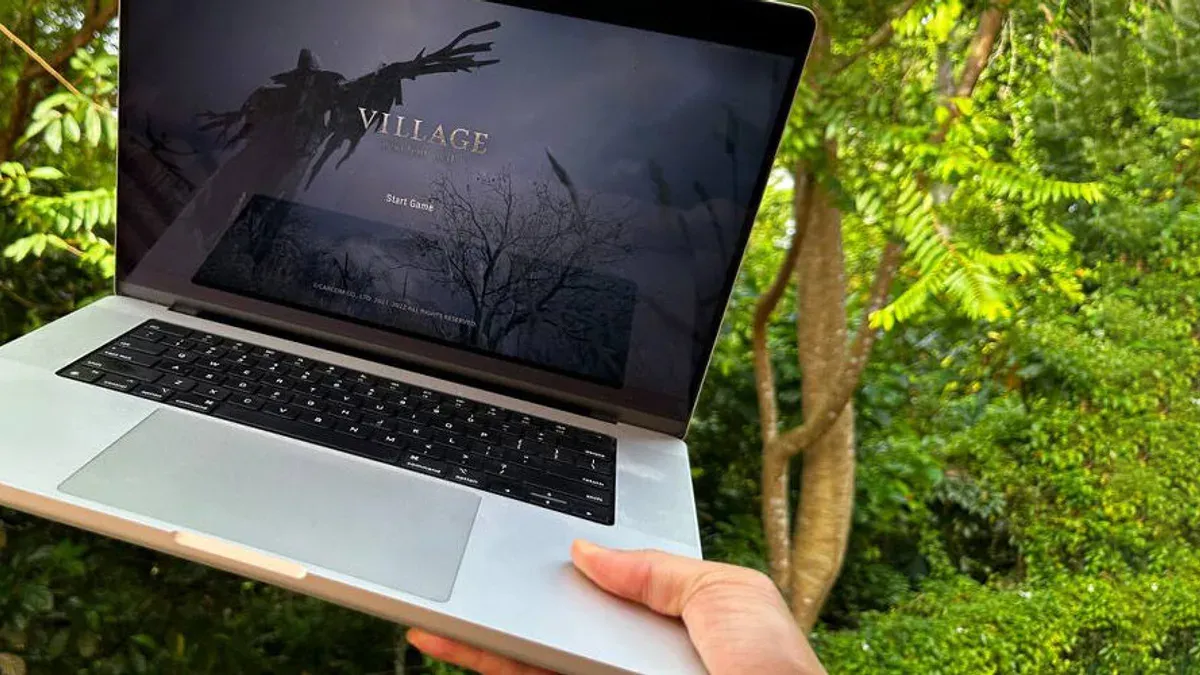
- Launch Resident Evil Village via Parallels with Windows ARM installed.
- Open graphics options and select 1280x800 resolution.
- Choose the “Low” preset or manually lower shadows and effects.
- Quit other macOS applications and enable “Do Not Disturb” mode.
- Monitor frame rates using Windows tools or Parallels performance monitors; adjust settings further if needed to avoid thermal throttling.
Alternatives for Resident Evil Village Fans Using MacBook Air M3
If running Resident Evil Village proves challenging, consider these options:
- Native macOS horror games: Titles like Alan Wake Remastered or Little Nightmares run smoothly on the M3 chip with native support.
- Cloud gaming services: Platforms offering a broad game library let you stream Resident Evil Village and similar games without hardware concerns.
- Community mods or adaptations: Some fan projects aim to optimize game performance or compatibility for ARM-based Macs, though availability and stability vary and can require technical knowledge to implement.
Limitations and Caveats
This article focuses solely on the MacBook Air M3. Other Mac models or Windows gaming laptops have different hardware and software environments, which affect gaming capabilities. The Air M3’s fanless design and integrated GPU limit its ability to run demanding Windows games natively or at high settings.
Frequently asked questions
Is there a native macOS version of Resident Evil Village?
No, Resident Evil Village is not available natively on macOS.
Can I use Boot Camp or Parallels to run Resident Evil Village on MacBook Air M3?
Boot Camp is not supported on Apple silicon Macs like the M3. Parallels can run Windows ARM versions, allowing the game to run via emulation, but with reduced performance and the need to adjust resource allocation settings.
How does the MacBook Air M3’s fanless design impact gaming performance?
The fanless design leads to thermal throttling during extended gaming sessions, causing frame rate drops and reduced performance after about 20-30 minutes of continuous play.
What graphics settings should I use for the smoothest gameplay on MacBook Air M3?
Lower resolution (around 1280x800), low or medium presets, and disabling shadows and post-processing effects help maintain smoother gameplay and reduce thermal stress.