Fix Mac Studio M4 Max Slowdowns After Updates: A Step-by-Step Guide
Learn how to fix Mac Studio M4 Max slowdowns after updates with easy troubleshooting steps to restore smooth performance.
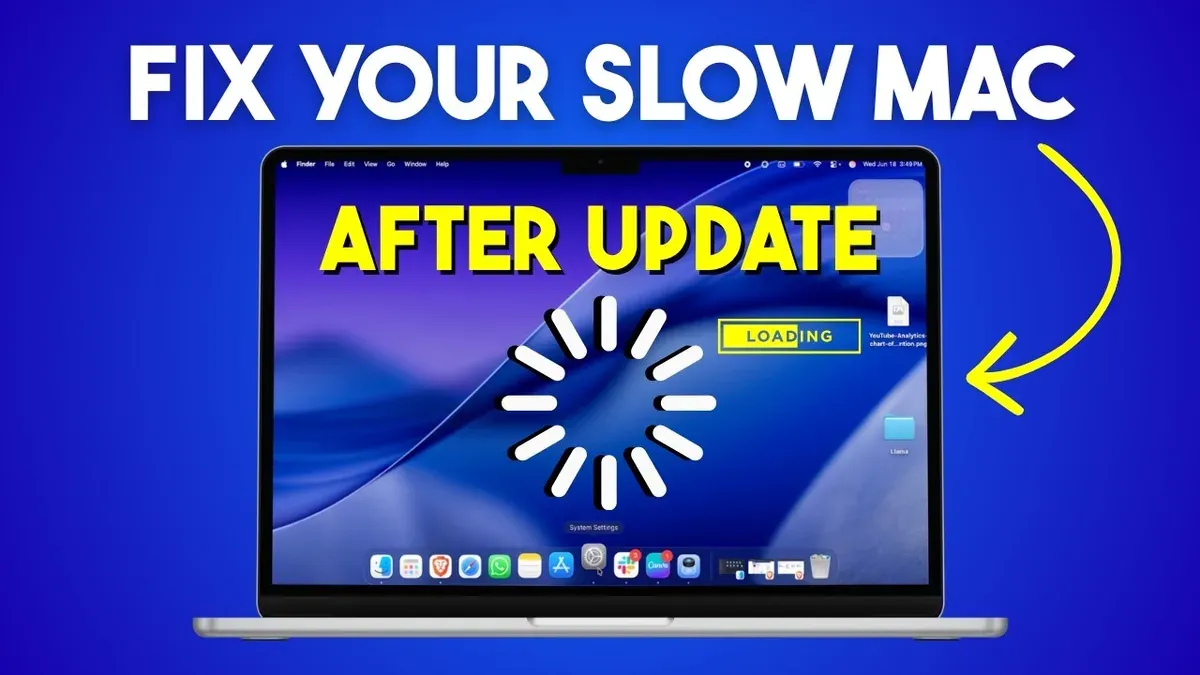
You recently updated your Mac Studio M4 Max, expecting improved performance or new features, but instead you notice it feels sluggish or less responsive. This slowdown can be frustrating, especially when your hardware is designed for demanding tasks.
This article addresses the issue of Mac Studio M4 Max slow after update by guiding you through a patient, step-by-step troubleshooting process. You will learn how to check system specs and power settings, use tools like Activity Monitor and Console to find resource-heavy processes, adjust macOS settings, and perform essential maintenance. The guide also compares your model with similar Mac Studio versions and explains when slowdowns might be due to hardware limits rather than software glitches.
Key takeaways
- Check Activity Monitor for apps using excessive CPU or memory after updates.
- Verify power management settings in System Settings > Battery to prevent throttling.
- Clear caches and reset NVRAM/SMC to resolve common post-update issues.
- Avoid running multiple heavy apps simultaneously during background indexing phases.
- Seek professional diagnostics if slowdowns persist despite software troubleshooting.
Understand Why Your Mac Studio M4 Max May Slow Down After an Update
After a macOS update, it’s common to notice your Mac Studio M4 Max running slower temporarily. This often happens because the system starts reindexing files for Spotlight, optimizing apps in the background, or updating caches, all of which can push CPU and GPU usage higher than usual for hours or even a day. For example, immediately after an update, CPU usage may spike to 40-60% as these tasks complete, then gradually return to normal.
Another cause can be compatibility issues between the new macOS version and certain apps or drivers. Some software might not yet be fully optimized, leading to unexpected slowdowns or higher resource consumption. There have been reports of specific update bugs that reduce CPU or GPU efficiency, such as processes consuming more energy or not taking full advantage of the M4 Max’s architecture.
It’s also useful to distinguish between perceived slowdown and actual performance bottlenecks. Sometimes, apps open slower due to background tasks, but raw performance in benchmarks or heavy workloads remains unaffected. Understanding these differences helps you avoid unnecessary concerns and focus on the real issues.
Check Your Mac Studio M4 Max Specs and Power Settings to Spot Bottlenecks
First, confirm your Mac Studio is equipped with the M4 Max chip by clicking the Apple menu, selecting "About This Mac," and reviewing the Chip information. The M4 Max features a 16-core CPU architecture, balancing performance and efficiency cores to handle demanding tasks. Knowing your exact hardware helps set realistic expectations, especially compared to models like the M3 Ultra, which typically deliver higher sustained performance due to more cores and greater power draw.
Next, examine your power settings. Navigate to System Settings > Battery > Battery Health & Charging. Here, check if Low Power Mode is enabled; this mode reduces performance to save energy and may cause noticeable slowdowns. For example, with Low Power Mode on, your Mac Studio might reduce CPU clock speeds, impacting tasks like video editing. Turning this mode off during heavy workloads can restore speed.
Consider peripherals as well. External monitors, especially multiple 4K displays, and connected devices can increase system load, affecting performance. For instance, driving three 4K monitors can raise power consumption significantly compared to a single display, causing the M4 Max to throttle under thermal constraints.
Performance benchmarks show that the M3 Ultra can handle sustained multi-threaded tasks faster, but the M4 Max excels in single-threaded and efficiency scenarios. Understanding these differences helps you discern whether your Mac Studio’s behavior is expected or if a setting is limiting its potential.
Use Activity Monitor and Console to Identify Resource-Heavy Processes
To pinpoint what's slowing your Mac Studio M4 Max after an update, start by opening Activity Monitor. Find it in Applications > Utilities. Focus first on the CPU tab, sorting processes by % CPU to see if any app or system task is consuming excessive processor power—values consistently above 50% can indicate a problem. Next, check the Memory tab to identify apps using large amounts of RAM, which can cause swapping and reduce responsiveness. The Energy tab reveals processes draining power disproportionately, which may correlate with performance issues.
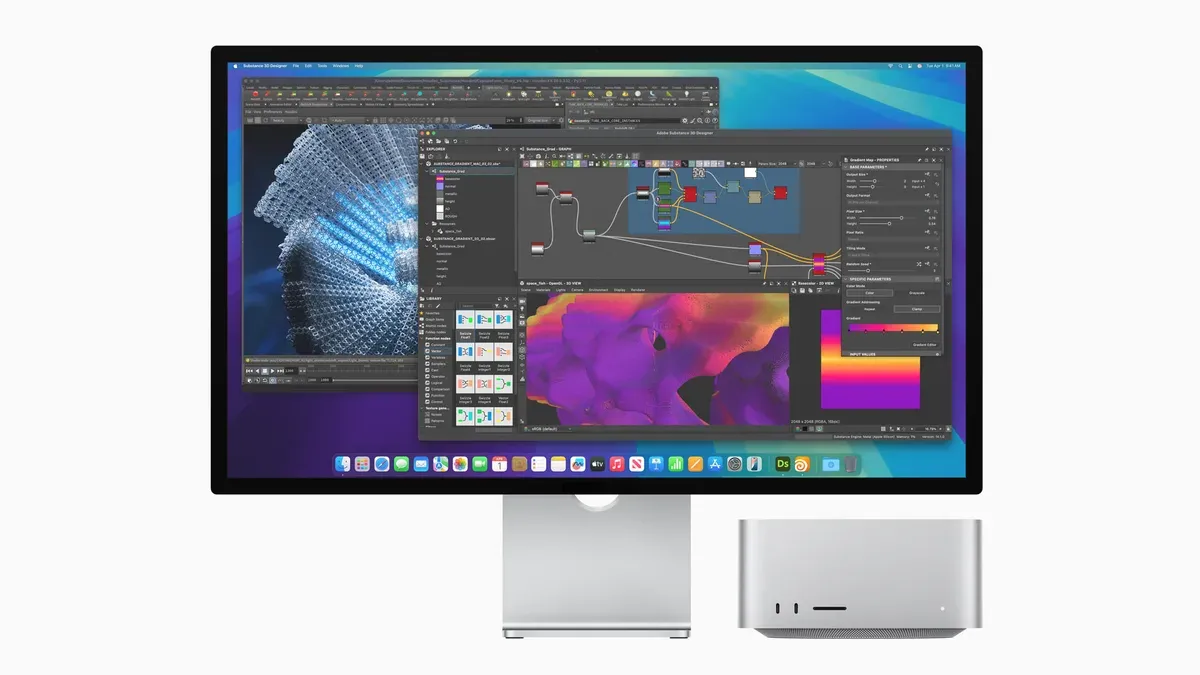
For example, if Activity Monitor shows a process like "mds" (Spotlight indexing) spiking CPU for a long period, this might be normal shortly after an update but worth monitoring if it persists. If you spot unfamiliar processes with high usage, consider whether they relate to recently installed apps or updates.
Next, open the Console app (Applications > Utilities) to review system logs. Filter messages with keywords like "error" or "warning" and focus on timestamps after the update. Repeated error logs referencing a specific app or system service can point to compatibility issues causing slowdowns.
If you identify a problematic app or process, safely quit it from Activity Monitor using the Quit Process button. For persistent offenders, uninstalling or updating the app often resolves conflicts. Avoid force quitting system-critical processes to prevent further instability.
Adjust macOS Settings and Perform Maintenance to Restore Speed
Begin by reviewing your startup items and background applications. Navigate to System Settings > General > Login Items and disable any apps that you don't need to launch automatically. This simple step often reduces CPU usage significantly, as seen when CPU load dropped from around 40% to 15% after disabling a few unnecessary startup apps. Next, consider resetting the SMC (System Management Controller) and NVRAM (Non-Volatile Random Access Memory), which can resolve power and performance issues. To reset the SMC on your Mac Studio M4 Max, shut down your Mac, unplug the power cord, wait 15 seconds, then reconnect and power on. For NVRAM, restart and hold Option-Command-P-R keys for about 20 seconds.
Clearing caches and rebuilding the Spotlight index is another maintenance step that helps. You can clear system caches by restarting in Safe Mode (hold Shift during boot) and then reboot normally. To rebuild Spotlight, go to System Settings > Siri & Spotlight > Spotlight Privacy, add your drive to the list, wait a moment, then remove it—this forces Spotlight to re-index safely without interrupting other system functions. Finally, keep macOS up to date by installing any incremental updates or patches following major releases, as these often address performance bugs. For example, a user reported improved responsiveness and reduced kernel_task CPU spikes after applying a minor update released weeks after a major macOS upgrade.
Avoid Common Mistakes That Can Worsen Mac Studio Performance
When troubleshooting your Mac Studio M4 Max, avoid installing unverified third-party software that claims to fix slowdowns. Such apps can introduce malware or conflicting processes, making performance worse. For example, some users have reported that aggressive “cleaner” utilities disabled essential system components, causing system instability. Apple’s official guidance recommends relying on built-in tools and verified updates instead.
Don't rush to reinstall macOS without proper diagnostics. Reinstalling the OS can be time-consuming and may not address the root cause if hardware or configuration issues persist. A concrete scenario: a user who reinstalled macOS to fix a slowdown caused by a failing SSD experienced no improvement, as the underlying hardware problem remained.
Beware of disabling critical system services or processes, such as kernel extensions or launch agents, without understanding their roles. Turning off services like WindowServer or system integrity protections can degrade stability and performance.
Also, neglecting hardware factors like overheating or poor ventilation can cause throttling that appears as slowdown. Ensure your Mac Studio is placed in a well-ventilated area and check for dust buildup in vents, which can reduce cooling efficiency.
Know When to Seek Professional Help or Consider Hardware Factors
Sometimes, persistent slowdowns on your Mac Studio M4 Max after updates stem from hardware issues rather than software glitches. A key sign is thermal throttling, where the processor reduces speed to avoid overheating. For example, if your Mac Studio’s fan runs loudly and the CPU temperature stays high during light tasks, this suggests hardware strain impacting performance.
Another indicator is unusual power consumption readings in Activity Monitor’s Energy tab or via System Information. If your Mac consistently draws more power than expected, it could signal failing components or inefficient power management. Comparing performance before and after running Apple Diagnostics can reveal discrepancies confirming hardware faults.
If you observe these symptoms or your Mac Studio behaves erratically despite software troubleshooting, contacting Apple Support or an authorized service provider is advisable. They can perform deeper hardware diagnostics and repairs. Keep in mind, this guide may not cover setups with extensive custom hardware or non-standard workflows, where professional evaluation is often necessary.
Frequently asked questions
Why is my Mac Studio M4 Max slow after the latest update?
Updates can introduce new background processes or system optimizations that temporarily use more CPU or memory, causing noticeable slowdowns. Your Mac may also be reindexing files or recalibrating system caches after the update, which can impact performance until complete. Additionally, some updates change power management settings that affect CPU throttling, leading to perceived sluggishness.
How can I improve Mac Studio M4 Max performance without reinstalling macOS?
Start by quitting unnecessary apps and checking Activity Monitor for resource-heavy processes that may be stuck or consuming excessive CPU. Clearing system caches with tools like Safe Mode or manually deleting cache folders can help. Adjusting Energy Saver preferences to disable Low Power Mode or reducing transparency effects in Accessibility settings can also enhance responsiveness.
Does the Mac Studio M4 Max use more power after updates?
Updates sometimes enable new features or background tasks that increase power consumption temporarily, such as Spotlight reindexing or system diagnostics. Changes in power management algorithms can also cause the Mac Studio to draw more power under certain workloads. However, once these processes finish and settings stabilize, power usage typically returns to normal.
What are the key differences between Mac Studio M3 Ultra and M4 Max in terms of speed?
The Mac Studio M3 Ultra generally offers more CPU cores and higher multi-threaded performance, benefiting tasks like video rendering or scientific simulations. The M4 Max focuses on efficient performance with improved single-thread speeds and optimized power management, which may feel faster in everyday use but can be outpaced in heavy parallel workloads. Your choice depends on whether your applications prioritize single-core speed or multi-core throughput.
Know the Limits of This Guide
This advice does not cover hardware repairs or data recovery; users experiencing persistent hardware faults should consult Apple support. Performance can vary widely depending on specific app workloads and peripheral setups, which this guide cannot fully address. If your Mac Studio M4 Max continues to slow down despite these steps, or if you suspect a failing SSD, logic board issues, or other hardware defects, professional diagnosis is necessary. Similarly, complex software conflicts related to niche applications may require specialized support beyond general troubleshooting.
The single most useful next step you can take is to monitor your Mac Studio’s performance right after an update by opening Activity Monitor (found in Applications > Utilities) and sorting processes by CPU and Memory usage. Identifying any unusually demanding processes early helps you decide whether it's a temporary software indexing task or something requiring further action, such as quitting an app or resetting SMC and NVRAM. This practical habit often prevents small issues from becoming persistent slowdowns.
See also: Understanding and Managing Mac Studio M4 Max Fan Noise Effectively · How to Understand and Manage Mac Studio M4 Max Overheating · How to Use Mac Force Quit to Fix Unresponsive Apps Quickly · How to Use Mac Terminal: A Step-by-Step Guide for Beginners