How to Turn On the Startup Chime on Mac: A Complete Guide
Discover how to turn on the startup chime on Mac, including native settings, Terminal commands, and third-party app options for all Mac models.
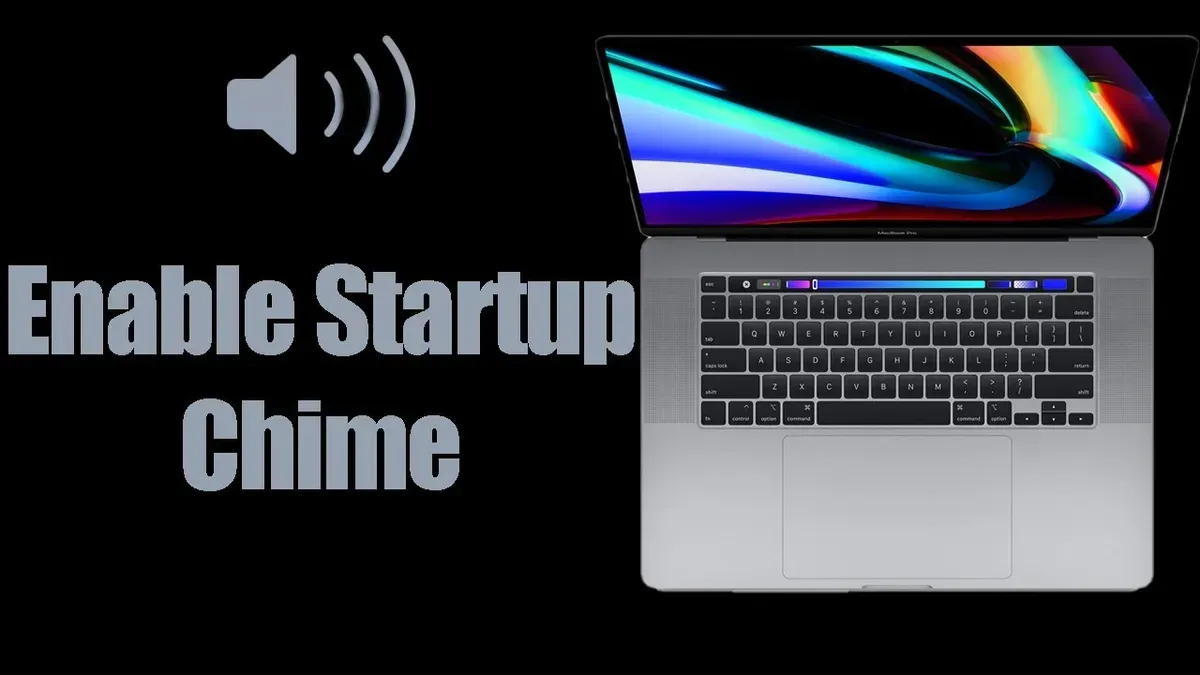
You power on your Mac and expect to hear the familiar startup chime, but silence greets you instead. Maybe you recently updated macOS, switched to a new Mac model, or simply want to restore or customize this iconic sound. This guide explains how to turn on the startup chime on Mac, covering native settings for Intel-based and Apple Silicon Macs, third-party app options, and customization tools.
Whether your Mac is silent at boot or you want to modify the chime, you’ll find clear instructions for various models and macOS versions. You’ll also learn about the history of the startup chime and what influences your ability to control it today.
Key takeaways
- The startup chime is natively supported on Intel Macs but disabled by default on Apple Silicon Macs.
- Terminal commands can enable or disable the chime on Intel-based Macs.
- Third-party apps offer simulated chimes for Apple Silicon Macs but may have trade-offs like delayed sound.
- Customizing the startup chime requires additional tools and varies by Mac model.
- Understanding your Mac’s hardware and macOS version is key to choosing the best method.
Before you start: what you need to know about the Mac startup chime
The Mac startup chime is a distinctive sound that plays when your Mac powers on, signaling successful hardware checks and system readiness. Historically, this chime has been a reassuring feature for users, but its availability varies across Mac models and macOS versions.
On older Intel-based Macs, the chime is often enabled by default or can be reactivated via system settings or Terminal commands. However, starting with newer Apple Silicon Macs, such as those with the M1 and later chips, Apple removed the native startup chime sound by default, reflecting changes in hardware design and system behavior.
To enable or restore the startup chime, you must first verify your Mac’s model and macOS version. The chime is supported natively on Intel Macs running macOS versions prior to macOS Big Sur, while Apple Silicon Macs typically require alternative methods or third-party apps to simulate the effect.
Additionally, your Mac’s sound output settings must be correctly configured. The internal speakers need to be functional and not muted; otherwise, the chime will not be audible. Some models, particularly recent MacBooks and desktops, do not support the startup chime natively anymore, so the sound may be unavailable without additional software.
Apple’s official support documents note that startup sounds were phased out starting with Macs introduced in late 2016 and later, especially with the shift to Apple Silicon architecture. Knowing your exact Mac model and macOS version is essential before attempting to enable or customize the startup chime.
How to enable the startup chime on Intel-based Macs using Terminal
If you have an Intel-based Mac, you can use Terminal to enable the startup chime natively. This method requires administrator access and involves running specific commands to modify system settings.
- Open Terminal from Applications > Utilities. You will see a command prompt ready to accept input.
- Type the following command and press Enter:
sudo nvram StartupMute=%00
This command disables the mute flag for the startup sound. - Enter your administrator password when prompted and press Enter. Note that the password will not display as you type.
- To verify that the chime is enabled, enter:
nvram -p | grep StartupMute
You should seeStartupMute %00in the output, indicating the startup sound is unmuted. - Restart your Mac to test the startup chime. If enabled successfully, you will hear the classic boot sound as your Mac powers on.
Some users report that this method works reliably on most Intel Macs running macOS versions before certain updates where Apple disabled the chime by default. However, if you have a newer Intel Mac or a firmware update, this command might not restore the chime.
Be aware that modifying NVRAM settings can affect system behavior. Only use this method if you are comfortable with command-line tools and have backed up important data.
How to enable or simulate the startup chime on Apple Silicon Macs
Apple Silicon Macs do not include a native startup chime option due to hardware and firmware design changes. However, you can simulate the startup chime sound after boot using third-party applications or scripts that play the chime once the system is ready.
Popular apps such as "Startup Sound" and "Boot Chime Simulator" provide a way to play a startup chime sound shortly after login. These apps typically run as background services and trigger the sound automatically.
- Download a startup chime simulator app like "Startup Sound" from a reputable source. After installation, open the app to access its settings.
- In the app preferences, enable the option to play the startup chime sound automatically after login. You should see an indicator confirming the feature is active.
- Restart your Mac. Upon logging in, the app should play the startup chime sound, simulating the classic boot tone.
- If the sound does not play, check the app permissions in System Preferences under Security & Privacy to ensure it can run correctly.
Here is a comparison of common chime simulators:
| App | Ease of Use | Customization | Reliability |
|---|---|---|---|
| Startup Sound | Simple setup | Limited sound options | Generally stable |
| Boot Chime Simulator | Moderate complexity | Custom chime upload | Occasional delays reported |
Using these apps offers a convenient workaround but relies on software running after login, so the chime does not occur during the actual hardware startup phase. This means the simulated chime may come a few seconds later than the traditional sound and depends on user login, which could be seen as less authentic. However, it provides a way to restore the familiar startup sound experience on Apple Silicon Macs where native support is absent.
How to turn off the startup chime on Mac and MacBook models
Disabling the startup chime varies depending on whether you have an Intel-based Mac or an Apple Silicon model. For Intel Macs, the startup sound is controlled through the system’s NVRAM, which you can mute using Terminal commands.
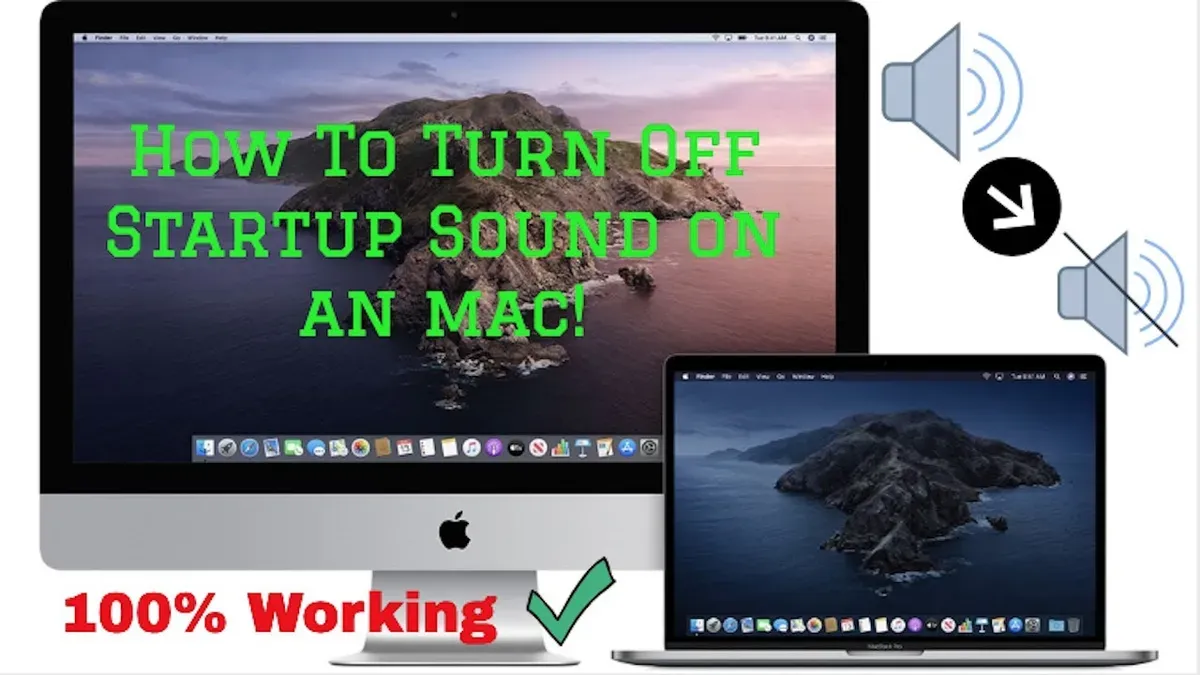
- Open Terminal from the Utilities folder inside Applications.
- Type the following command exactly: sudo nvram SystemAudioVolume=%80 and press Enter. You will be prompted for your administrator password.
- After entering your password, the startup chime will be muted on the next reboot.
- Restart your Mac to confirm the chime is silenced.
On MacBook Air, MacBook Pro, and iMac models, you can also mute the startup sound by adjusting the system volume before shutting down or restarting. Press the mute button or lower the volume to zero. This method is effective because the startup chime respects the last volume setting before shutdown.
Remember, muting the startup chime this way affects all system sounds, including alerts and notifications, until you adjust the volume again. Apple Support documentation confirms that the NVRAM command is the most direct method for Intel Macs, while volume controls offer a simple workaround for all models.
User feedback indicates that the Terminal method reliably silences the chime without impacting other functionality, whereas muting via volume keys is easier but requires manual adjustment each time.
How to install and use chime apps for Mac and PC
Third-party chime apps provide a way to restore or simulate the Mac startup sound, especially on Apple Silicon Macs and Windows PCs. Here's how to find, install, and customize these apps safely.
- Search for reputable chime apps such as "Startup Sound", "BootTone", or "Mac Startup Chime" on trusted platforms like the Mac App Store or official developer websites. When you locate the app, check user ratings and recent reviews to ensure reliability and security.
- Download the installer package. On Mac, this will typically be a.dmg or.pkg file; on Windows 11, it might be an.exe or.msi file. Be cautious to avoid unofficial sources to prevent malware risks.
- Open the installer and follow the on-screen instructions. For Mac, you might need to grant security permissions in System Preferences > Security & Privacy > General if macOS blocks the app due to unidentified developer status. When installation completes, you should see the app icon in your Applications folder or Start menu.
- Launch the app. Most chime apps allow you to select from predefined startup sounds or upload your own audio files (commonly.wav or.mp3). Use the app’s interface to preview sounds and set your preferred chime.
- Configure the app to play the chime at login or system start. Since macOS and Windows restrict sounds during boot, these apps typically play the chime immediately after login, slightly delayed but effective.
Security considerations: Always download from official sources, verify developer credentials, and review app permissions. Some apps require accessibility access or automation privileges to function correctly; enable these selectively and monitor for unexpected behavior.
User ratings for popular chime apps generally range from good to excellent, reflecting ease of use and customization options. Screenshots commonly show straightforward controls for sound selection and volume adjustment, ensuring users can tailor the experience.
Customizing your startup chime sound: options and tools
Personalizing the Mac startup chime involves using sound editing apps or scripts that replace or add custom sounds at startup. Voice modulation and audio editing apps like Audacity or GarageBand allow you to create unique chime sounds by altering pitch, tempo, or layering effects.
To implement a custom startup chime, you typically need to prepare the sound file in a compatible format, then use third-party tools or scripts to play it during or immediately after startup. For Intel Macs, some users employ shell scripts triggered by login hooks or launch agents to play a custom sound shortly after boot. On Apple Silicon Macs, since native startup chime replacement isn’t supported, these scripts or apps simulate the chime after login.
Limitations vary by Mac model. Intel Macs allow deeper system-level changes, but newer Macs limit direct sound replacement due to security and firmware restrictions. As a result, customization often happens post-login rather than during the true startup phase.
Examples of creative startup chime sounds include soft piano tones, vintage synthesizer beeps, or even recorded voice greetings. Before-and-after audio samples shared by users demonstrate how a classic chime can be transformed into a personalized sound cue, enhancing the startup experience.
Troubleshooting common issues with Mac startup chime
If the startup chime does not play after you have enabled it, start by checking your Mac’s volume settings. The chime relies on system volume being above mute, so ensure the sound is turned up and not muted in System Preferences under Sound > Output.
Next, verify that the Terminal commands were entered correctly with administrator privileges. A common mistake is a typo or missing sudo, which prevents the settings from applying. For example, the command sudo nvram StartupMute=%00 must be exact. If you see an error like "nvram: Error setting variable - 'StartupMute': (iokit/common) general error," it may indicate insufficient permissions or a locked NVRAM.
Hardware issues can also cause silence. Faulty or disconnected internal speakers will prevent the chime, so test other system sounds to confirm speaker functionality. If external speakers or headphones are connected, disconnect them and try again, as some Macs mute the internal speaker when external audio devices are active.
For third-party chime apps, ensure they have the necessary permissions in System Preferences > Security & Privacy > Accessibility or Full Disk Access. Failure to grant these can stop the app from launching sounds. Restarting the app and macOS can also resolve temporary glitches.
- Check system volume in System Preferences > Sound > Output; the chime should be audible if volume is up.
- Re-enter Terminal commands exactly with administrator rights; no errors should appear.
- Test other system sounds to confirm speakers work properly.
- Disconnect external audio devices and reboot your Mac.
- Verify third-party app permissions under Security & Privacy settings.
- Restart the app and your Mac if the chime still does not play.
How the Mac startup chime evolved and what it means for users today
The Mac startup chime was first introduced by Apple in the 1980s as a hardware test signal that indicated the system had successfully completed its Power-On Self-Test (POST). This iconic sound served as immediate feedback for users, confirming that the Mac's internal hardware was functioning correctly before the operating system loaded.
Over time, the startup chime became a recognizable part of the Mac experience. However, changes began with the transition to newer macOS versions and especially with the introduction of Apple Silicon Macs. Apple officially removed the startup chime starting with the 2016 MacBook Pro models and later Macs running Apple Silicon, citing design choices focused on silent and instantaneous startup processes.
Apple's removal or disabling of the chime aligns with its goal to create a seamless, quieter user experience. While this eliminates the immediate auditory confirmation of a successful boot, users gain faster startup times and reduced noise in environments where quietness is preferred.
Expert commentary notes that the absence of the startup chime requires users to rely on visual cues such as the Apple logo or progress bar to confirm startup status. This shift also motivates some users to use third-party apps that simulate the startup sound post-login if they prefer auditory feedback.
Frequently asked questions
How to install chime app?
To install a chime app on your Mac, first download the app from a trusted developer's website or the Mac App Store. Open the downloaded file, usually a.dmg or.pkg, and follow the on-screen instructions to complete the installation. After installation, you may need to grant permissions in System Preferences under Security & Privacy for the app to function correctly.
How to turn off startup chime on mac?
You can turn off the startup chime on Intel-based Macs by opening Terminal and entering the command sudo nvram StartupMute=%01. This disables the chime at boot. For Apple Silicon Macs, the startup sound is typically controlled by the system volume at shutdown, so muting your Mac before powering off effectively silences the startup chime.
How to turn off the startup sound on mac?
The startup sound on a Mac can be turned off by muting the volume before shutting down. On Intel Macs, you can also disable it permanently using a Terminal command. Note that if you rely on the chime as a diagnostic signal, muting might prevent you from hearing important startup alerts.
How to turn off the startup sound on macbook air?
To turn off the startup sound on a MacBook Air, mute the volume using the keyboard's mute key or volume controls before shutting down. This method works for both Intel and Apple Silicon models. Alternatively, on Intel MacBook Airs, use Terminal to disable the chime permanently.
How to turn off the startup sound on macbook?
Turning off the startup sound on a MacBook follows the same process as other Macs: mute the volume before power off or use Terminal commands on Intel models. Remember that Apple Silicon MacBooks do not have a built-in Terminal option for this, so volume control is the main method.
Limits of this advice and when to seek other options
This advice does not guarantee the startup chime can be enabled on every Mac model, especially Apple Silicon Macs, due to hardware and firmware limitations set by Apple. Some newer Macs may not support native startup chime activation regardless of Terminal commands or software tweaks. If you rely on hearing the startup chime for accessibility or workflow reasons, consider using external audio cues or third-party apps tailored for your Mac’s architecture.
For advanced customization beyond what system settings and common apps offer, or if you encounter persistent issues, consulting Apple Support or authorized service providers is recommended. They can provide model-specific guidance or hardware diagnostics that go beyond software adjustments.
The single most useful next step is to verify your Mac model and firmware version, then follow the relevant instructions for your hardware type carefully. This ensures you apply the correct method—whether using Terminal commands on Intel Macs, simulated sounds on Apple Silicon Macs, or third-party apps—and avoid unintended settings changes.