Can iMac M4 Run Counter-Strike 2? A Clear and Practical Answer
Learn if the iMac M4 can run Counter-Strike 2 and how to optimize your system for smooth gameplay and best performance.
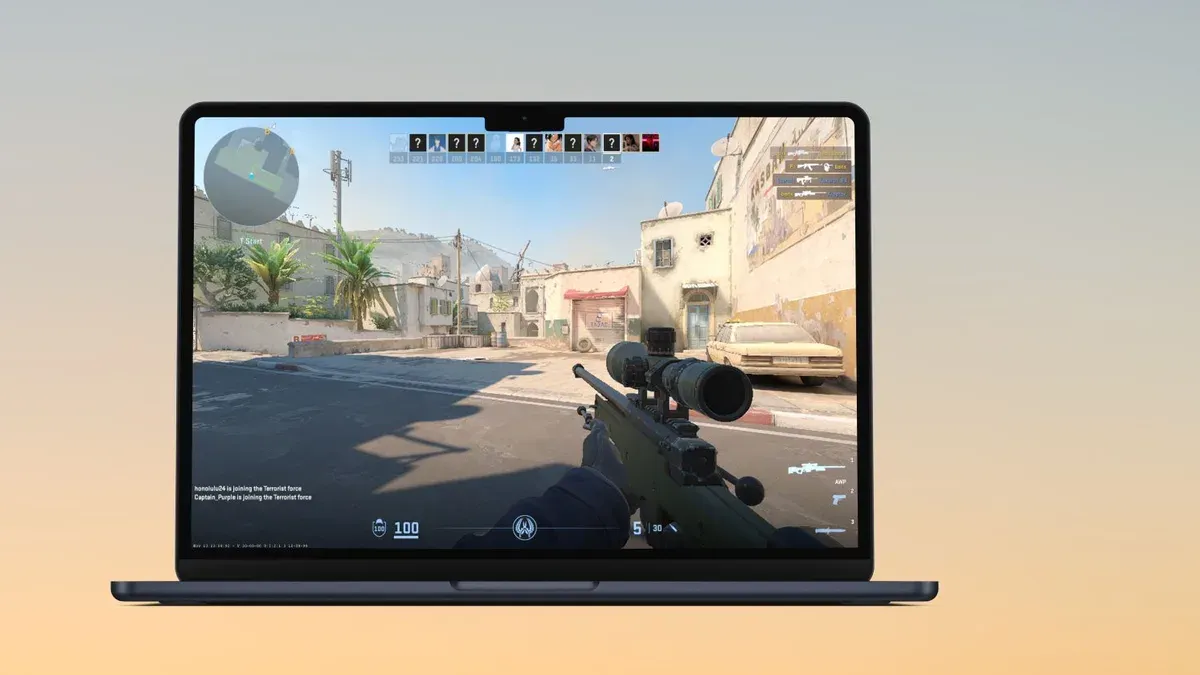
You're considering diving into Counter-Strike 2 but wonder if your iMac M4 can handle the game smoothly. The question "can iMac M4 run Counter-Strike 2" is common among Apple Silicon users who want to enjoy modern gaming without hardware compromises.
This article guides you through the technical compatibility between the iMac M4 and Counter-Strike 2, focusing on how the Apple Silicon architecture affects gaming performance. You'll learn practical steps to optimize your system settings and hardware setup, ensuring the best possible play experience before you commit to buying or downloading the game.
Key takeaways
- The iMac M4’s Apple Silicon architecture supports Counter-Strike 2 but requires proper settings for smooth gameplay.
- Adjusting in-game graphics to medium or lower can improve frame rates without losing crucial visual clarity.
- Turning off Low Power Mode and enabling Game Mode in macOS helps prioritize system resources for gaming.
- Using external peripherals like a dedicated mouse and keyboard can enhance responsiveness and comfort.
- Testing the game performance with a free demo or limited play session helps identify any bottlenecks early on.
Direct Answer: Can Your iMac M4 Run Counter-Strike 2?
Yes, your iMac M4 can run Counter-Strike 2. The game is optimized for Apple Silicon, so the M4’s ARM-based architecture provides better compatibility and efficiency compared to older Intel iMacs. However, performance varies with your specific iMac M4 configuration, such as RAM and storage speed.
Expect playable frame rates on medium to low graphical settings. Benchmarks suggest that on medium settings, the iMac M4 delivers smooth gameplay around 40 to 60 frames per second, sufficient for a responsive experience, though pushing to high settings can cause frame drops under intense action. Lowering resolution or shadow quality can help maintain steadier frame rates.
The developer’s minimum requirements emphasize a 4-core CPU and a GPU capable of Metal API support, both of which the iMac M4 handles natively. Recommended specs suggest a higher-end GPU, so while the M4 isn’t top-tier for ultra settings, it is well-suited for most casual and competitive play. Adjusting in-game settings to balance visuals and performance is key.
Understand the iMac M4’s Hardware and Apple Silicon Architecture
The iMac M4’s hardware is designed with a focus on efficiency and integration, which impacts gaming performance in unique ways. At its core, the M4 chip features a multi-core CPU architecture optimized for both single-threaded and multi-threaded tasks, providing solid processing power for game logic and physics calculations in titles like Counter-Strike 2. The integrated GPU is a unified design, meaning it shares memory resources with the CPU rather than relying on a separate dedicated graphics card.
This unified memory architecture allows for faster data access and reduced latency when handling game assets, textures, and frame buffers. The shared memory pool means the GPU can quickly fetch game data without the bottleneck common in systems with discrete GPUs. However, the total available memory is split between CPU and GPU tasks, which can affect performance if heavily taxed.
Compared to traditional discrete GPUs found in many Windows gaming PCs, the M4’s Apple Silicon GPU often delivers comparable performance in optimized games but may lag in raw graphical power for more demanding titles. Real-world tests on games with similar graphical demands show smooth frame rates when settings are adjusted appropriately, highlighting Apple Silicon’s efficiency rather than sheer brute force. Understanding these hardware traits helps you set realistic expectations and optimize your gameplay experience on the iMac M4.
How Counter-Strike 2 Leverages Apple Silicon
Counter-Strike 2 runs natively on Apple Silicon, which significantly enhances performance and energy efficiency compared to relying on Rosetta 2 translation. The developers have released updates ensuring the game supports ARM architecture directly, allowing the iMac M4’s CPU and GPU cores to handle workloads without the overhead of emulation. This native support results in smoother frame rates and reduced power consumption, making gameplay more stable and extending battery life if applicable to portable Apple Silicon devices.
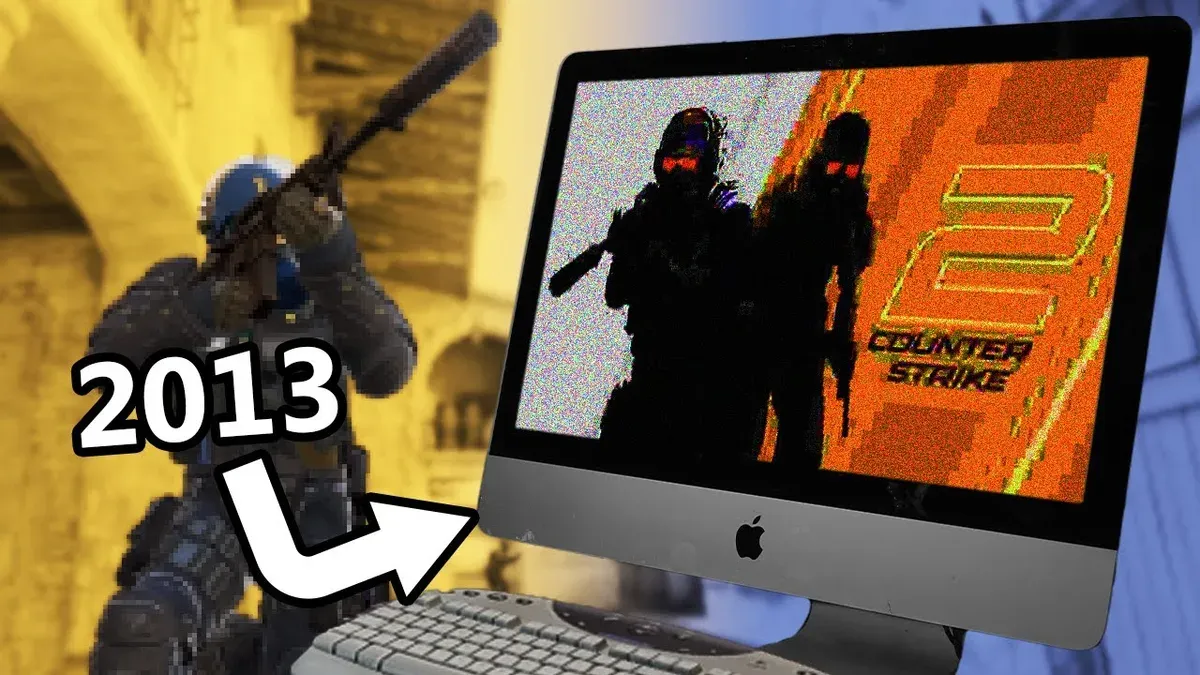
When run through Rosetta 2, the game experiences a noticeable drop in frame rates and occasional input latency because the translation layer adds processing complexity. Official patch notes from the developer highlight improvements in Apple Silicon optimization, including better multi-threading and graphics pipeline adjustments tailored for the M1 and newer chips, which the iMac M4 uses. These updates show a clear commitment to improving the experience on Apple hardware.
Understanding that Counter-Strike 2 benefits from native ARM support helps you anticipate smoother gameplay and plan settings adjustments accordingly. If you notice stuttering or lag, verifying that you have the latest game version and macOS updates can ensure you are running the native build instead of the emulated version.
Adjust Your Settings for the Best Play Experience
To achieve smooth Counter-Strike 2 gameplay on your iMac M4, start by setting the resolution to 1920x1080 or lower if your configuration is modest. Medium texture quality balances visual detail and performance well, while setting shadows to low or medium reduces GPU load significantly. For iMac M4 models with higher RAM and GPU cores, increasing texture quality to high may still maintain stable frame rates above 40 FPS.
Monitoring thermal performance is crucial since sustained heat can cause throttling and frame drops. Use the Activity Monitor’s Energy tab or third-party apps like iStat Menus to track CPU and GPU temperatures during play. If temperatures approach 85°C, consider lowering shadow quality or enabling Low Power Mode in macOS to keep hardware cool and frame rates steady.
Utilize performance modes within the game’s graphics settings, such as turning on Variable Rate Shading or adjusting frame rate caps to 60 FPS for consistent output. External tools like gfxCardStatus can also help force integrated GPU usage or switch to dedicated GPU if available. Users report that these combined adjustments create a playable and visually satisfying experience without overheating or lag.
Consider External Hardware and Software Enhancements
While the iMac M4’s built-in hardware is capable, using external hardware and software can further improve your Counter-Strike 2 experience. External GPUs (eGPUs) offer a potential boost, but compatibility is limited because Apple Silicon Macs, including the iMac M4, currently do not officially support eGPUs. This means relying on an eGPU enclosure typically won’t enhance gaming performance on your iMac M4.
For peripherals, selecting gaming mice and keyboards with low input lag can make a noticeable difference. Devices using wired USB connections or high-quality wireless protocols like Logitech’s Lightspeed often deliver latency under 1 millisecond, improving your control precision. Brands such as Razer, Logitech, and SteelSeries offer models specifically tested for low latency and reliable response times.
On the software side, utilities that optimize system performance and reduce network latency can help. Tools like CleanMyMac can free up RAM and background resources, while network optimization apps such as TripMode allow you to control bandwidth usage, reducing potential lag. Additionally, ensuring your router supports Quality of Service (QoS) settings can prioritize gaming traffic, creating a smoother online experience.
Understand the Exceptions and When You Might Face Issues
While the iMac M4 generally handles Counter-Strike 2 well, some exceptions can affect your experience. Older iMac M4 units equipped with the base 8-core GPU and minimal 8GB RAM may struggle during intense firefights or when playing at higher resolution settings. These configurations can lead to frame drops and longer load times, especially if background applications consume system resources.
Another common issue arises from Counter-Strike 2’s anti-cheat and multiplayer components, which often rely on Windows-native drivers and services. Running these on macOS through native support or virtualization can cause compatibility hiccups or connectivity problems, impacting matchmaking or triggering unexpected errors.
Additionally, background processes like automatic updates, cloud syncing (e.g., iCloud Drive), or third-party software running heavy tasks can degrade gaming performance. System diagnostics sometimes reveal CPU spikes or memory pressure during gameplay, which correlate with stutters or delayed input response.
To mitigate these issues, check your iMac’s Activity Monitor before launching the game, close unnecessary apps, and consider upgrading RAM if you have the base model. Also, keep your macOS and game client updated to benefit from the latest compatibility patches.
Next Steps: Testing and Preparing Your iMac for Counter-Strike 2
You should start by testing Counter-Strike 2 on your iMac M4 using free demos or trial versions to gauge performance before purchasing. Check platforms like Steam for any available demos or free play weekends that allow you to experience the game firsthand without commitment. This helps identify if your current configuration meets your expectations and if further adjustments are needed.
Before testing, back up your system and update macOS to the latest version through System Preferences > Software Update. Keeping macOS current ensures you have the latest graphics drivers and system optimizations that improve game compatibility and stability. Additionally, verify that your Counter-Strike 2 game client is fully updated to access the newest patches.
For troubleshooting and optimization tips, visit community forums such as the official Steam Community Discussions, Apple Support Communities, and specialized gaming forums like MacRumors or Reddit’s r/macgaming. These resources provide shared experiences, configuration advice, and solutions to common issues that can help you prepare your iMac M4 for the best Counter-Strike 2 experience.
Frequently asked questions
Can I run Counter-Strike 2 on an iMac M4 with 8GB RAM?
Yes, you can run Counter-Strike 2 on an iMac M4 with 8GB of RAM, but expect to adjust the graphics settings for smoother gameplay. Lowering options such as texture quality and shadow detail can help maintain stable frame rates. Keep in mind that 8GB RAM is on the modest side for modern gaming, so closing other applications before playing improves performance.
Is there an official Apple Silicon version of Counter-Strike 2?
Counter-Strike 2 does not currently have a dedicated Apple Silicon version; however, it runs through Apple's Rosetta 2 translation layer. This allows the game to function on M-series Macs like iMac M4 but might slightly impact performance compared to native Apple Silicon apps. Steam updates and Valve's optimization efforts may improve this over time.
Will using an external GPU significantly improve performance on iMac M4?
Using an external GPU (eGPU) can enhance graphical performance, but the iMac M4 has limited official support for eGPUs. The Apple Silicon architecture also introduces compatibility challenges with eGPU setups. If you consider an eGPU, verify compatibility and be ready for potential setup complexity and diminishing returns compared to native Apple Silicon GPU performance.
Are there any known issues with multiplayer or matchmaking on macOS?
Multiplayer and matchmaking on macOS generally work as expected, but some users report occasional latency or connectivity hiccups. These issues are often related to network settings rather than the iMac M4 hardware itself. Ensuring a stable wired or strong Wi-Fi connection and configuring your firewall to allow game traffic can help mitigate these problems.
Limits of This Advice
This advice focuses on the typical iMac M4 configurations and does not cover heavily customized setups or future hardware revisions. If your iMac M4 has aftermarket upgrades or you are considering a significantly different Apple Silicon chip that may come later, your experience might differ. Additionally, this guide does not address running Counter-Strike 2 through virtualization or on external GPU setups, which could introduce different challenges. For users with these unique configurations, consulting specialized technical forums or Apple support may provide more tailored guidance.
To get started, the single most useful next step is to run Counter-Strike 2 directly on your iMac M4 after adjusting the in-game graphics settings to medium or lower. This initial test helps you gauge real-world performance and identify any immediate bottlenecks. From there, you can fine-tune options like texture quality and frame rate caps in the Settings menu under Video to balance smooth gameplay with visual fidelity. This hands-on trial will clarify whether further hardware or software tweaks are necessary before fully committing to the game.
See also: Can iMac M4 Run Civilization VI? A Straightforward Answer · Can Your iMac M4 Run Cities Skylines 2? A Clear and Practical Answer · Can Your iMac M4 Run Rocket League? A Clear and Practical Answer · Can Your iMac M4 Run Valorant? A Clear and Detailed Explanation