How to Fix Your MacBook Pro M1 Pro Slowing Down After an Update
Discover practical steps to fix your MacBook Pro M1 Pro slowing down after an update and regain smooth performance without data loss.
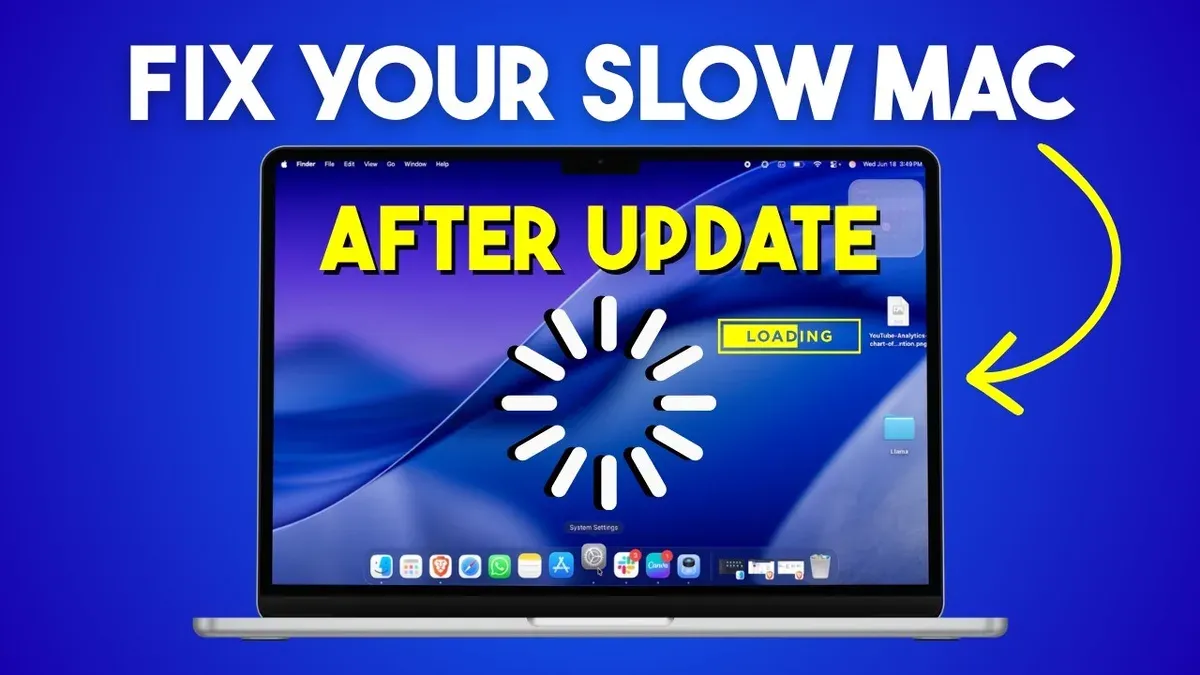
Your MacBook Pro M1 Pro feels noticeably slower right after a macOS update. Apps take longer to open, animations stutter, and everyday tasks don’t flow as smoothly as before. If you’ve searched for solutions using the phrase "MacBook Pro M1 Pro slow after update," you’re not alone.
This guide walks you through understanding the less obvious causes behind these slowdowns, such as system resource conflicts and background processes that might be running unexpectedly. You’ll learn step-by-step how to diagnose and improve performance without resorting to data-erasing resets or complicated procedures. By the end, you’ll have practical techniques to regain your Mac’s speed while keeping your data intact.
Key takeaways
- Post-update slowdowns often stem from background processes using excessive CPU or memory.
- Checking Activity Monitor can help identify apps or system tasks that drain resources.
- Optimizing storage by clearing caches and managing disk space improves system responsiveness.
- Enabling Low Power Mode reduces energy use and can smooth out performance hiccups.
- Avoid drastic resets until you’ve tried targeted troubleshooting steps to preserve your data.
Recognize What 'Slow After Update' Really Means
After installing an update, you might notice your MacBook Pro M1 Pro responds slower than usual. This can show up as apps taking longer to open, delays when switching between programs, or increased time before your Mac finishes booting. For example, you may tap Safari and find it stalls briefly before displaying a webpage, whereas before the update it launched instantly. These symptoms can be frustrating but are often overlooked or misattributed to hardware failure.
Updates can alter system behavior in ways that temporarily affect performance. Background tasks like indexing, app optimizations, or system reconfigurations often run after installing updates, consuming CPU and storage resources. Sometimes, however, these slowdowns persist longer than expected due to resource conflicts or lingering processes.
Ignoring these signs can reduce your productivity, as routine tasks take longer, and may also strain your Mac’s hardware over time. Recognizing specific slowdown patterns early helps you approach troubleshooting with clear expectations and prevents unnecessary, drastic actions like wiping your device.
Understand How macOS Updates Interact with M1 Pro Hardware
After a macOS update, your MacBook Pro M1 Pro begins several background tasks that optimize system performance but temporarily increase resource demands. These include Spotlight reindexing, system cache rebuilding, and app compatibility checks. You can often see these processes in Activity Monitor as elevated CPU or disk usage, which may cause your Mac to feel slower until they finish.
The M1 Pro chip features unified memory architecture, which means the CPU and GPU share the same memory pool for efficiency. Post-update, macOS may adjust how this memory is allocated between system tasks and graphics processing, especially if new graphics drivers or frameworks are installed. This dynamic rebalancing can momentarily reduce the available memory for some apps, contributing to perceived sluggishness.
Additionally, some third-party software or kernel extensions might not immediately harmonize with the updated operating system, leading to conflicts or increased resource consumption. For example, an antivirus program might launch intensive scanning routines after an OS update, causing CPU spikes visible in Activity Monitor. Recognizing these interactions helps you understand why your Mac slows down and reassures you that many slowdowns are temporary as the system settles.
Check and Manage Background Processes That Drain Performance
After an update, some background processes can consume significant system resources, leading to noticeable slowdowns. To identify these, open Activity Monitor (found in Applications > Utilities) and review the CPU, Memory, and Disk tabs. Look for any processes using a high percentage of CPU or large amounts of memory. For example, if you see “mds” or “mdworker” consuming over 50% CPU, Spotlight indexing is likely active and temporarily slowing your Mac.
Once identified, you can safely quit non-essential processes by selecting them and clicking the Stop button (an octagon with an “X”) in the toolbar. Be cautious not to quit critical system processes. To reduce repeated slowdowns, check System Preferences > Users & Groups > Login Items and remove unnecessary startup apps by selecting them and clicking the minus (–) button. This prevents background apps from launching automatically and draining resources.
For instance, a Photos library update might cause the “photolibraryd” process to use significant CPU. This is normal and resolves once the update finishes. After quitting or disabling heavy background tasks, you should notice improved responsiveness as resource use drops and your Mac regains speed.
Optimize Storage and System Resources to Regain Speed
Start by checking your disk space to ensure macOS has enough room to operate efficiently. Open the Apple menu, choose "About This Mac," then click the "Storage" tab. If available space is below roughly 15%, performance can degrade significantly. Removing unnecessary files, such as large downloads or old documents, can free up valuable space.
Next, use the built-in Storage Management tool by clicking "Manage" under the Storage tab. This tool helps you identify large files, unused apps, and duplicates. For example, deleting cache files and old iOS backups can recover several gigabytes. Clearing caches is often overlooked but crucial since temporary files can accumulate and slow system responsiveness.
Adjust system preferences to reduce visual overhead. Go to System Settings > Accessibility > Display and enable "Reduce transparency" to lessen graphical effects that demand GPU resources. Similarly, in System Settings > Desktop & Dock, turning off "Animate opening applications" cuts down on animation processing. These changes may make your interface feel less flashy but can improve speed, especially when system resources are constrained.
Imagine freeing up 10 GB of disk space and disabling transparency. You might see the available storage rise from 10% to 20%, and interface animations become snappier. This combination eases the load on your MacBook Pro M1 Pro, helping restore smooth performance after an update without drastic steps.
Turn On Low Power Mode and Other Energy Settings
Low Power Mode on your MacBook Pro M1 Pro can help manage performance and battery life after an update by reducing energy usage, which can sometimes ease system slowdowns. By lowering the processor speed and dimming the screen slightly, this mode decreases power consumption and heat generation, which can improve responsiveness when the system is struggling with background tasks. However, the trade-off is that demanding apps may run slower, and some animations might feel less smooth.
To enable Low Power Mode, go to System Settings > Battery > Battery Health & Charging, then toggle on Low Power Mode. This is especially helpful if you notice sluggishness during battery use or when intensive processes are running. For example, if your MacBook feels laggy after an update while unplugged, turning on Low Power Mode can balance workload and extend usable responsiveness.
Besides Low Power Mode, you can adjust other energy settings under System Settings > Battery > Options. Setting shorter intervals for display sleep and enabling "Put hard disks to sleep when possible" help conserve resources without a big impact on your workflow. These tweaks collectively reduce background energy drain, which can indirectly improve overall system speed after an update.
Avoid Common Mistakes That Can Worsen Performance Issues
When your MacBook Pro M1 Pro feels slow after an update, it might be tempting to force quit all apps or restart repeatedly. However, these actions often only provide temporary relief and do not address the underlying causes. Frequent restarts can interrupt background optimization tasks that your Mac needs to complete, potentially prolonging slow performance.
Uninstalling system updates or using third-party cleanup tools without clear guidance can cause serious problems. Some cleanup utilities delete essential system files or caches that your Mac requires to function properly, which can lead to data loss or even prevent your Mac from starting correctly. Similarly, attempting to remove updates manually may break system integrity and void support options.
Resetting NVRAM/PRAM or the SMC is sometimes suggested as a fix, but doing so without specific instructions can create new issues. For example, resetting these settings improperly might erase custom display or battery configurations, causing unexpected behavior. Imagine losing preferred Wi-Fi networks or display calibrations after a reset, which then requires extra time and effort to restore.
Many users have reported that using aggressive cleanup tools or frequent forced restarts led to extended troubleshooting sessions or data recovery efforts. To avoid creating more problems, rely on patient, step-by-step troubleshooting and consult Apple Support if unsure about advanced resets or software removal.
Know When to Seek Professional Help or Apple Support
If your MacBook Pro M1 Pro continues to slow down persistently even after following all troubleshooting steps, it might indicate hardware issues or corrupted system files beyond typical user fixes. Signs such as frequent system crashes, unexpected shutdowns, or unresponsive peripherals can point to hardware problems affecting performance. Corrupted system files might cause errors that standard recovery options do not resolve.

Apple technicians have access to advanced diagnostics tools that check hardware components like the SSD, RAM, and logic board for faults that are not visible in Activity Monitor or Disk Utility. For example, they can run Apple Diagnostics or use proprietary software to detect subtle hardware degradation or faulty sensors triggered after an update. Repair success rates for hardware-related slowdowns are generally high when identified early, emphasizing the value of professional evaluation.
To get support, you can schedule an appointment at an Apple Store or authorized service provider via the Apple Support app or website. Remote diagnostics and chat support are also available if visiting in person is inconvenient. If you notice your MacBook Pro’s performance is worse after an update and includes symptoms like random kernel panics or failure to boot properly, reaching out to Apple Support promptly can save time and prevent data loss.
Frequently asked questions
Why is my MacBook Pro M1 Pro slower immediately after a macOS update?
After an update, your MacBook Pro may run slower because the system is reindexing files, updating caches, and completing background tasks that can temporarily consume significant CPU and storage resources. Spotlight indexing and app updates often run automatically, which can cause noticeable slowdowns until they finish. This slowdown usually resolves within a few hours or overnight.
Can I speed up my MacBook without reinstalling macOS?
Yes, you can improve performance by managing background processes via the Activity Monitor and closing apps that use excessive CPU or memory. Clearing unnecessary startup items in System Preferences > Users & Groups > Login Items can also help. Additionally, freeing up storage space through the Storage Management tool may improve system responsiveness without reinstalling the OS.
Does Low Power Mode affect my MacBook’s performance significantly?
Low Power Mode reduces energy consumption by limiting CPU speed and some background activities, which can decrease overall system performance. However, it helps extend battery life when needed and can improve thermal management. You can enable it in System Preferences > Battery > Battery tab > Low Power Mode to balance performance and energy usage based on your current needs.
When should I consider resetting my MacBook’s system settings?
Resetting system settings, such as the System Management Controller (SMC) or NVRAM, should be a last step if you experience persistent issues like unresponsive hardware features or unusual system behavior that other troubleshooting hasn’t fixed. These resets don’t erase your data but can resolve hardware-related glitches. If performance problems continue despite managing background processes and storage, consulting Apple Support before resetting is recommended.
What This Guide Does Not Cover and When to Seek Professional Help
This guide focuses on resolving performance slowdowns caused by software and system resource conflicts following macOS updates on your MacBook Pro M1 Pro. It does not cover severe hardware failures such as faulty SSDs, logic board issues, or battery degradation, nor does it address data recovery after system corruption or accidental data loss. If your Mac exhibits symptoms like frequent crashing, failure to boot, or persistent kernel panics, or if you suspect hardware damage, it is best to contact Apple Support or visit an authorized service provider promptly.
For those experiencing data loss or system corruption, professional data recovery services are recommended instead of attempting recovery on your own, which might worsen the situation.
To start regaining your MacBook’s speed, the single most effective next step is to open Activity Monitor (found in Applications > Utilities), and carefully identify any background processes consuming excessive CPU or memory. Quitting or managing these processes often produces immediate improvements without risking system stability or data integrity.
See also: Understanding and Managing MacBook Pro M1 Pro Fan Noise Effectively · How to Update macOS on Your MacBook Pro M1 Pro