How to Fix Mac Studio M4 Max Lagging and Freezing Effectively
Learn how to fix Mac Studio M4 Max lagging and freezing by optimizing system resources, managing apps, and preventing hardware issues.
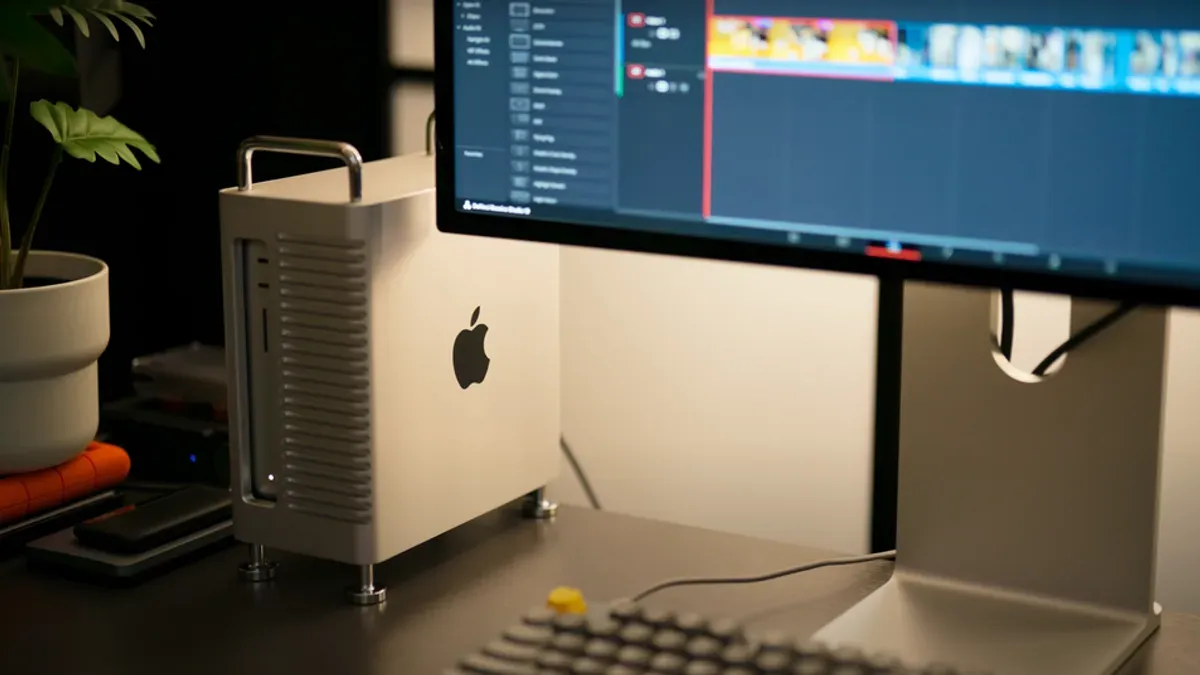
You’ve noticed your Mac Studio M4 Max occasionally slows down or freezes during tasks that once ran smoothly. Whether you're editing high-resolution video, running multiple apps, or simply browsing, these interruptions can be frustrating and disruptive.
This article explains how to address Mac Studio M4 Max lagging and freezing by identifying common causes tied to hardware capabilities and software management. You’ll learn step-by-step methods to check your system configuration, optimize resource usage, adjust macOS settings, and avoid mistakes that often worsen performance. Understanding your Mac Studio’s strengths and limits will empower you to maintain a fluid, responsive experience.
Key takeaways
- Check Activity Monitor to identify apps consuming excessive CPU or memory.
- Verify that your Mac Studio’s storage has at least 20% free space for optimal operation.
- Use macOS’s built-in Maintenance scripts via Terminal to clear system caches regularly.
- Disable unnecessary startup items in System Settings > Users & Groups > Login Items.
- Consider professional diagnostics if hardware issues like faulty RAM or SSD are suspected.
Understand What Causes Lagging and Freezing on Mac Studio M4 Max
The Mac Studio M4 Max is built on a powerful architecture designed to deliver exceptional CPU and GPU performance, often handling intensive tasks with ease. Its unified memory architecture allows fast data access, reducing bottlenecks common in traditional systems. However, even this advanced setup can face lagging or freezing due to several factors.
Hardware-related issues include thermal throttling, which happens when the system temperature rises under heavy workloads, causing the processor to slow down to prevent overheating. For example, running multiple video rendering tasks simultaneously can push CPU and GPU usage close to 100%, increasing heat and triggering throttling. RAM pressure also plays a role; if memory usage nears maximum capacity, the system uses slower disk-based swap memory, leading to delays.
On the software side, background applications consuming significant CPU or memory can reduce available resources, while certain macOS bugs or incompatible software versions may cause instability. User behavior, such as running many apps at once or using non-optimized software, also affects performance. For instance, leaving dozens of browser tabs open alongside editing software can increase memory pressure and CPU load, making lag and freezing more likely.
Check Your Mac Studio M4 Max Specs and Configuration for Optimal Performance
Start by verifying your Mac Studio M4 Max’s hardware specs to ensure they align with your typical workload. Open the Apple menu and select About This Mac. Here, you will see key details like the CPU model—whether it’s a 16-core CPU or a lower core count—GPU configuration, RAM size, and storage type. For example, a 16-core CPU model paired with 64GB of RAM is better suited for heavy video editing compared to an 8-core CPU with 32GB RAM.
Next, check your system’s real-time resource usage via Activity Monitor found in the Utilities folder. This tool shows CPU, memory, disk, and network activity so you can identify if any processes are taxing your system unexpectedly. Pay attention to RAM pressure and CPU load, as these can hint if your configuration is under strain.
Also, verify your macOS version by going to System Settings > General > About. Keeping macOS updated ensures you have fixes for known bugs that may cause lag or freezing. Each update often includes performance improvements and security patches, so running the latest version is beneficial.
Finally, consider any external devices or peripherals connected to your Mac Studio. USB hubs, external drives, or monitors with high refresh rates can impact system responsiveness. Disconnect these temporarily to test if they contribute to lag.
For example, if you notice slowdowns while editing 4K video, check if your Mac has sufficient RAM and CPU cores in About This Mac, confirm no heavy background apps in Activity Monitor, ensure macOS is updated, and test removing external peripherals that may throttle throughput.
Manage System Resources to Prevent Lag and Freezing
To keep your Mac Studio M4 Max running smoothly, start by opening Activity Monitor (Applications > Utilities > Activity Monitor). This tool shows real-time CPU, GPU, and memory usage, helping you spot apps or processes consuming excessive resources. For example, if you see a background app using 40% CPU and 2 GB of memory without clear reason, it’s a candidate for closure or uninstallation.
Next, reduce startup items by going to System Settings > General > Login Items. Remove unnecessary apps that launch at startup, which often run silently and drain resources. For instance, disabling nonessential cloud sync or messaging apps from startup can free up memory and CPU cycles.
Adjust System Preferences to lower resource demands: open System Settings > Accessibility > Display, and enable “Reduce motion” and “Reduce transparency.” These settings lessen visual effects, easing GPU load. Also, in System Settings > Desktop & Dock, turning off “Animate opening applications” can help.
Finally, optimize storage by clearing caches and managing disk space. Use Finder to locate large or old files in Documents or Downloads folders and delete or move them. Additionally, run disk cleanup utilities like the built-in Storage Management (Apple menu > About This Mac > Storage > Manage) to remove cache files and optimize space. After these steps, Activity Monitor should show lower CPU and memory usage, reflecting a more efficient system ready to handle your tasks.
Apply macOS Settings and Maintenance to Improve Stability
To enhance your Mac Studio M4 Max’s stability, start by resetting the System Management Controller (SMC) and NVRAM/PRAM. These resets clear low-level hardware communication glitches that can cause lag or freezing. For example, to reset the SMC on a Mac Studio, shut down your Mac, unplug the power cord, wait 15 seconds, then reconnect and power it on. For NVRAM/PRAM, restart your Mac and immediately hold Option + Command + P + R keys for about 20 seconds until it restarts again. Users often notice quicker startup times and more responsive system behavior after these resets.
Next, run First Aid on your disks using Disk Utility. Open Disk Utility from Applications > Utilities, select your main startup disk, and click "First Aid." This process repairs file system errors that may slow your Mac or cause freezes. It’s a straightforward step that often resolves hidden issues affecting performance.
Keep macOS and your apps updated by visiting System Settings > General > Software Update. Updates include patches that fix bugs and improve system stability. Additionally, consider enabling Low Power Mode in System Settings > Battery > Options during extended work sessions to reduce energy use and heat generation, which can prevent thermal throttling and lag. This mode slightly limits background activity but can maintain smoother operation over long periods.
Avoid Common Mistakes That Exacerbate Lag on Mac Studio M4 Max
One frequent mistake is running multiple heavy applications simultaneously without ensuring your Mac Studio M4 Max has enough free RAM or adequate cooling. For example, opening several professional video editing programs alongside virtual machines can push your system beyond its thermal limits, causing it to throttle performance and freeze. Users often report smoother operation after closing some apps or improving ventilation around their Mac Studio.
Ignoring macOS notifications about low storage or system errors can also worsen lag. When your disk space falls below 10%, macOS can slow down because it struggles to manage virtual memory efficiently. Responding promptly to these alerts by freeing storage or fixing errors helps maintain fluid performance.
Using incompatible third-party software or outdated drivers is another common pitfall. Such software can conflict with macOS processes, leading to freezes or unexpected behavior. Always verify software compatibility and keep drivers updated through System Preferences > Software Update or the developer’s site.
Neglecting regular system restarts and maintenance tasks like clearing caches or repairing disk permissions can gradually degrade performance. Restarting your Mac Studio occasionally closes background processes that consume resources unnecessarily, restoring responsiveness.
When to Seek Professional Help or Consider Hardware Issues
While many lag and freezing problems on your Mac Studio M4 Max can be resolved through software adjustments, some symptoms clearly point to hardware malfunctions. Persistent kernel panics displaying error codes like "GPU Panic" or "CPU Overtemperature" in the crash reports, repeated failure of Apple Diagnostics indicating issues with the logic board or memory, or unexplained power cycling are signs that professional diagnosis is necessary.
Apple provides built-in tools like Apple Diagnostics, accessible by restarting your Mac and holding the D key, which can help identify hardware faults. You can also contact Apple Support or visit an authorized service provider for in-depth testing and repair options. Remember to check your warranty status in System Settings under "General > About > Coverage" to understand your repair options and potential costs.
If you own a refurbished Mac Studio M4 Max, verify its warranty and consider that some hardware components might have been replaced or repaired previously. Power consumption irregularities, such as sudden battery drain or overheating despite low workloads, can also be hardware-related and may require professional attention. For example, if your Mac repeatedly shuts down during moderate tasks and diagnostics report abnormal power management errors, a hardware repair might be more cost-effective than ongoing troubleshooting.
Frequently asked questions
What is the best way to stop my Mac Studio M4 Max from freezing?
To stop freezing, start by closing unnecessary applications to free up system resources. Next, check Activity Monitor for any processes consuming excessive CPU or memory and quit those if they are not essential. Ensuring your macOS is updated to the latest version can also resolve bugs causing freezes. If issues persist, resetting the NVRAM and SMC may help, as these manage low-level system settings.
How do I know if my Mac Studio M4 Max is lagging because of hardware or software?
Lag caused by software often appears when running specific apps or after installing new software, while hardware issues might cause lag regardless of workload. Use Activity Monitor to check if CPU, memory, or disk usage spikes during lagging; software-related problems usually show clear resource bottlenecks. Running Apple Diagnostics can detect hardware faults; if no hardware errors appear and lag persists only in certain apps, software is likely the cause.
Can updating macOS fix Mac Studio M4 Max performance problems?
Yes, updating macOS can address performance problems by fixing bugs, improving system stability, and optimizing resource management. Apple regularly releases updates that enhance compatibility with hardware and software, which may reduce lag and freezing. Always back up your data before updating and install updates from System Settings > Software Update for a smooth process.
Does the Mac Studio M4 Max use a lot of power when it lags or freezes?
When lagging or freezing, the Mac Studio M4 Max may temporarily increase power consumption as the CPU and GPU work harder to process tasks or recover from an error state. However, the device's efficient architecture generally manages power well, so excessive power use during lag is uncommon unless running heavy workloads. Monitoring energy use in Activity Monitor’s Energy tab can help identify apps causing high consumption.
Recognizing the Limits of This Guide
This guide does not cover advanced hardware repairs or data recovery processes. If your Mac Studio M4 Max experiences persistent hardware faults such as repeated kernel panics, unusual noises, or failure to boot, it is essential to consult Apple Support or certified technicians. Attempting complex repairs yourself without proper tools and expertise could lead to data loss or void your warranty. Additionally, while software troubleshooting can resolve most lagging and freezing issues, underlying hardware problems may require professional diagnostics.

For the next step, closely monitor your Mac Studio’s Activity Monitor, focusing on the CPU and Memory tabs. Identify any apps or processes consuming excessive resources and consider closing or updating them. This practical action often uncovers hidden causes of lag and is a straightforward way to maintain smooth performance without drastic measures.
See also: Fix Mac Studio M4 Max Slowdowns After Updates: A Step-by-Step Guide · How to Fix Mac Studio M4 Max Sleep Wake Issues Quickly and Reliably · How to Understand and Manage Mac Studio M4 Max Overheating · Stop Mac Studio M4 Max Random Restarts: A Clear Fix Guide